
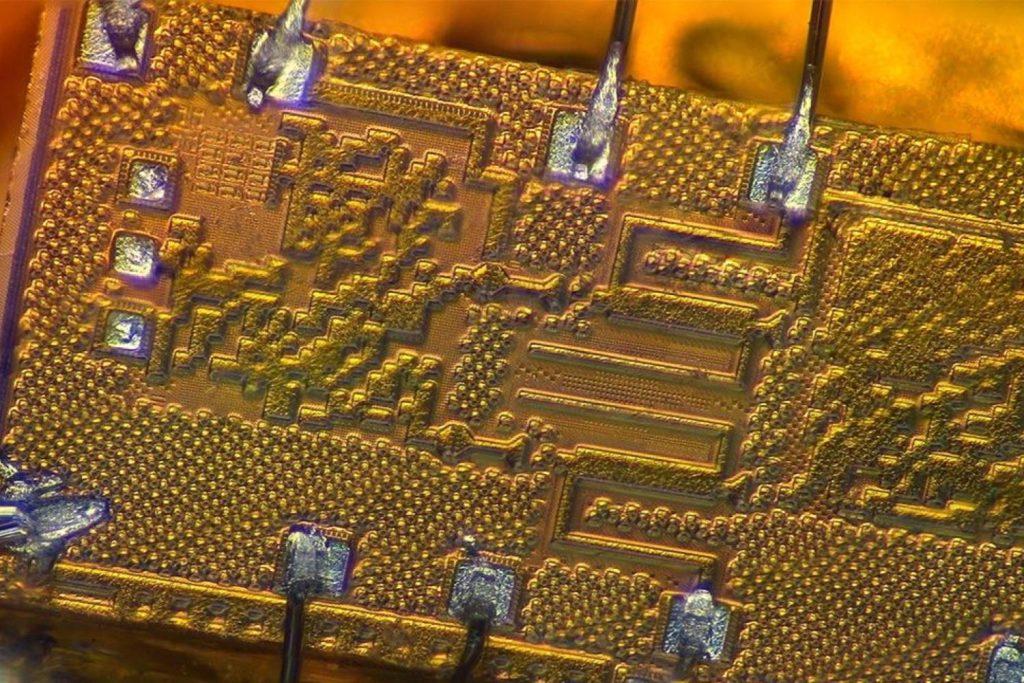


Researchers at Princeton and IIT Madras used AI to design millimeter-wave wireless chips with randomly shaped structures no human engineer would produce. Once built and tested, those chips outperformed every existing human design.
Circuits that look random, but beat everything we have built
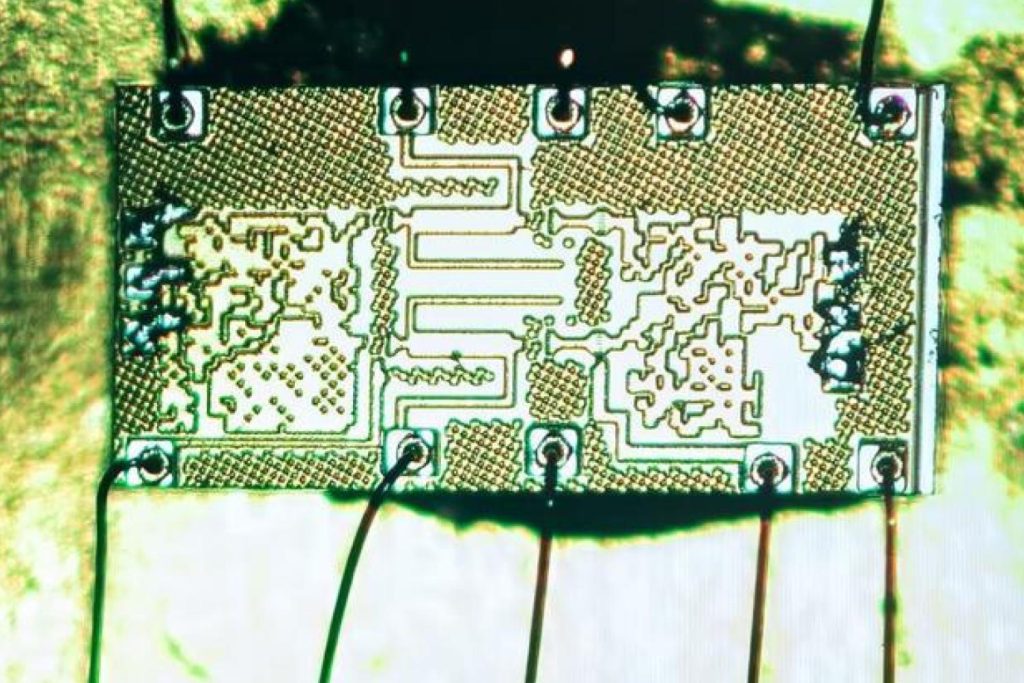
Princeton’s Sengupta Lab published a study in Nature Communications in December 2024 describing a deep learning method that designs mm-Wave wireless chips by working backward from a desired performance target. The result: electromagnetic structures lead researcher Kaushik Sengupta calls randomly shaped, unintuitive, and
unlikely to be developed by a human mind. When manufactured and tested, they outperformed the best existing human-designed chips across multiple metrics.
AI sees the whole chip, humans only see the parts
A human engineer designs a chip incrementally, adding components using proven templates and rules of thumb. The AI treats the entire chip as a single artifact and explores a configuration space Sengupta describes as exceeding the number of atoms in the universe. This allows the AI to find arrangements that would never emerge from traditional workflows. What once took weeks of expert work can now be done in hours.
AI hallucinations, human oversight, and real limits
AI hallucinate in chip design too: many of the algorithm’s proposed designs simply do not work once manufactured. Human engineers remain essential to filter, validate, and correct AI proposals. Sengupta framed the research as a productivity tool: the human mind handles creative decisions, AI handles computational complexity. The goal is not to hand chip design entirely to machines, at least not yet.
Why this matters for 5G and your mobile plan in Canada
The mm-Wave chips this method produces power 5G modems in smartphones used on Bell, Rogers and TELUS networks across Canada. The mm-Wave chip industry is worth around $4.5 billion US and expected to nearly triple in six years. Better chips mean faster 5G speeds, improved efficiency, and stronger network range. Compare 5G plans on PlanHub.ca to get the most out of the network available in your area.