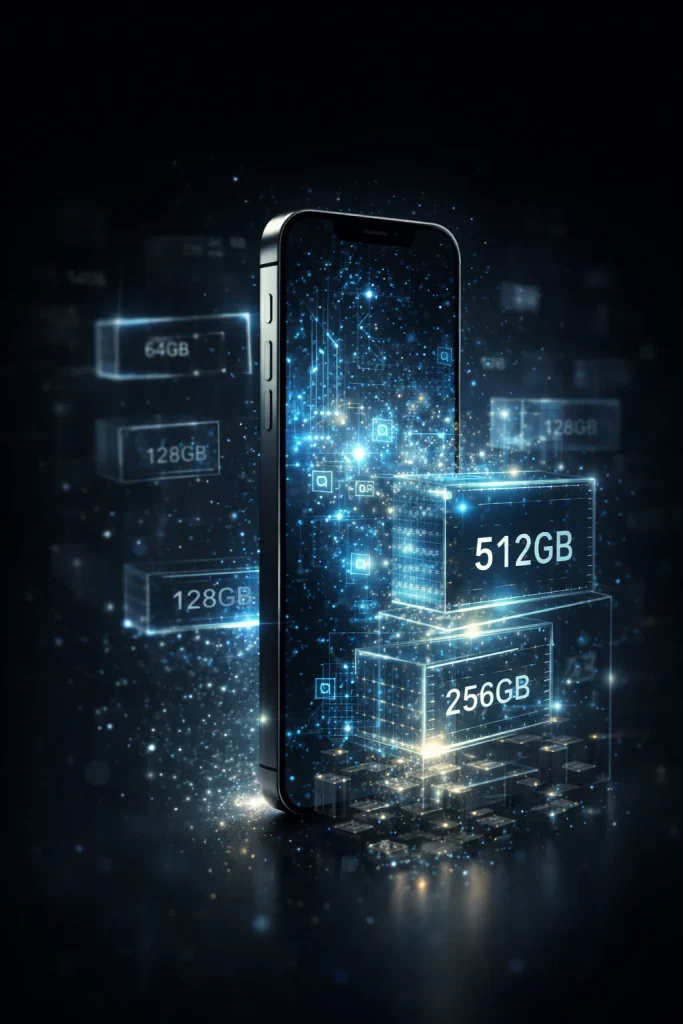


For a long time, choosing storage on a phone was mostly a matter of personal comfort. Some people were perfectly fine with 128GB, while others preferred 256GB to keep more photos, videos, and apps. But in 2026, the equation is changing. It is no longer just your own usage that matters, but also the artificial intelligence built into the phone. According to TrendForce, the average smartphone storage capacity is expected to rise again next year, despite higher NAND memory prices.
The reason is simple: on-device AI features are becoming much heavier than before. According to one estimate, AI models that run partly on the device may require between 40GB and 60GB of system storage as cache for local processing. In other words, a more visible share of your storage is no longer reserved for your files, but for the software brain of the device.
No more 128gb ?
This shift is happening at the same time that smaller memory capacities are becoming less attractive to the industry. NAND manufacturers, meaning flash memory makers, are upgrading their production processes, which reduces the supply of lower-capacity products. At the same time, several brands are cutting back or dropping certain low-storage, low-margin models to focus on 128GB and especially 256GB versions. The result is that the market is moving in the same direction as AI: toward more storage, even if it costs more.
Apple already illustrates this trend. The iPhone 17 series has moved to a minimum configuration of 256GB in order to better support AI-related features and user data. The firm even adds that, if the trend continues, the 128GB tier could gradually disappear from the mainstream Android segment by the end of 2026, while 256GB becomes the new reference point.
Price are going up
The most ironic part of this story is that this rise in storage is not happening in a context of falling costs, quite the opposite. In another update published in February, it was estimated that a mainstream 8GB + 256GB memory configuration had seen its contract prices jump by nearly 200% year over year in the first quarter of 2026. Memory, which once accounted for about 10% to 15% of the cost of a phone’s components, could now represent between 30% and 40% of the hardware bill.
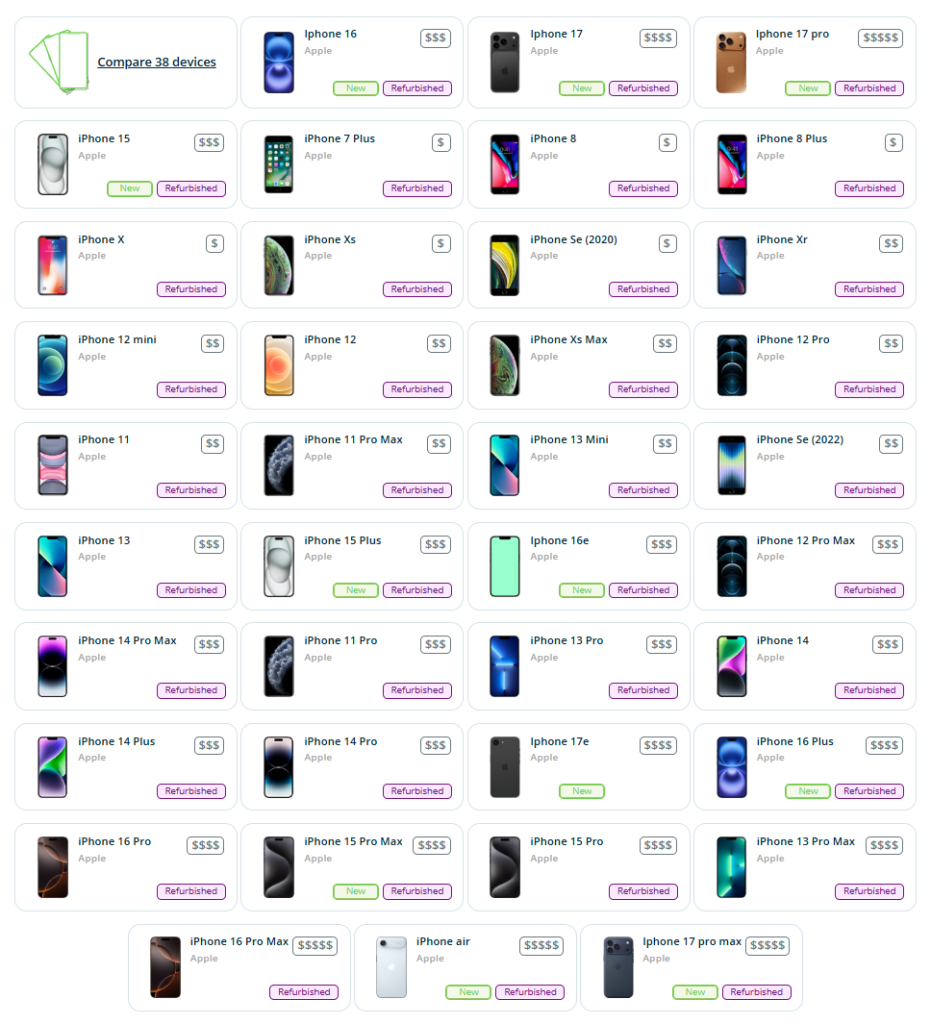
For Canadian consumers, this means one very concrete thing: “AI-ready” phones are likely to be more expensive to buy, even before talking about the plan. If you are shopping for your next device, you will need to compare not only the models themselves, but also the most affordable way to get one, whether through financing, a carrier promotion, or a refurbished device. And that may be where the real bargain is hiding, a little farther away from the marketing neon lights.
Want to reduce the cost of your next phone? Take a look at the devices currently on sale.