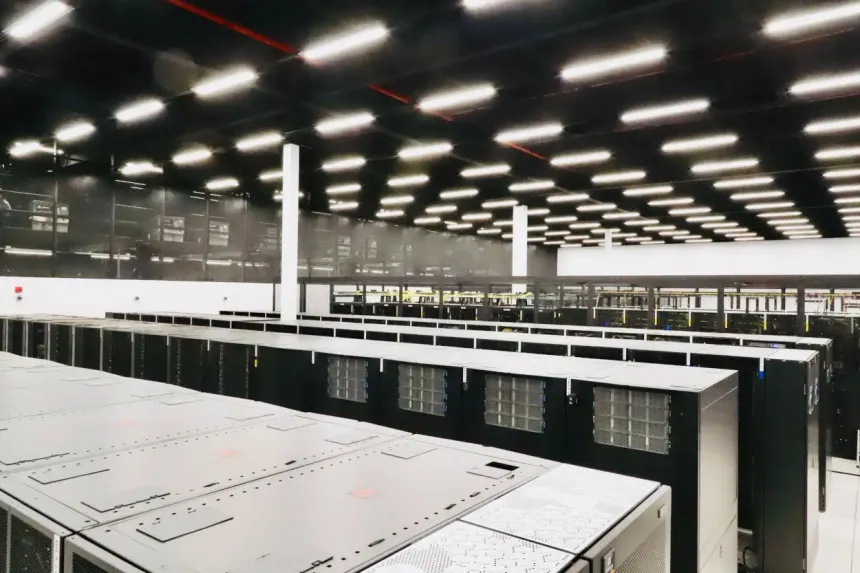


Canada has around 368 data centres, most clustered in Toronto, Vancouver, and
Montreal. Bell just announced the country’s biggest one will be built outside
Regina, Saskatchewan. With a $1.7-billion investment and a mandate for Canadian
AI sovereignty.
368 data centres in Canada, and the biggest is still to come
Canada is home to approximately 368 data centres, concentrated mostly in Toronto, Vancouver, Montreal, and Calgary. These facilities form the invisible backbone behind cloud services, mobile communications, and AI applications used daily by millions of Canadians. That map is about to shift: Bell’s next major installation will be in the Rural Municipality of Sherwood, just outside Regina. Saskatchewan, chosen for its available power, fibre infrastructure, and provincial AI ambitions.
$1.7 billion, 300 MW, and a cast of major partners
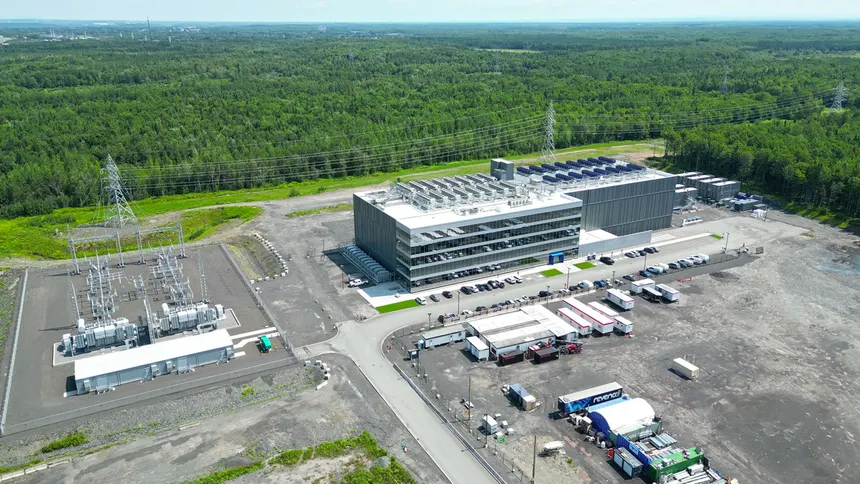
On March 16, 2026, BCE announced alongside the Saskatchewan government a 300 MW, 90,000-square-foot AI data centre on a 160-acre parcel in the RM of Sherwood. Bell’s direct investment is $1.7 billion over 2026 and 2027. With total economic value projected at up to $12 billion for the province and at least 1,630 jobs created.
CoreWeave and Cerebras are primary tenants for AI compute operations. Bell has also signed an agreement with the George Gordon First Nation for Indigenous procurement participation.
Saskatchewan chosen for its power, fibre, and available land
SaskPower provides 300 MW of already-available grid power. SaskTel links the site to Bell’s national fibre backbone. And SaskEnergy is developing on-site gas infrastructure for peak demand and backup power. Transmission interconnection phase one is expected complete by end of 2026. The facility uses a closed-loop cooling system that draws no municipal water. And Bell is in advanced discussions to recycle the waste
heat the centre generates.
Bell AI Fabric: a national digital sovereignty play
The Regina facility is part of Bell AI Fabric, which also includes a super cluster in British Columbia. Phase one goes live in the first half of 2027, with full operations by end of 2027. Premier Scott Moe called it historic for Canadian data sovereignty. Allowing businesses and institutions to process sensitive data on entirely Canadian infrastructure. For Canadians relying on Bell mobile and internet services. This sovereign compute layer is directly tied to the security and performance of Bell’s network.