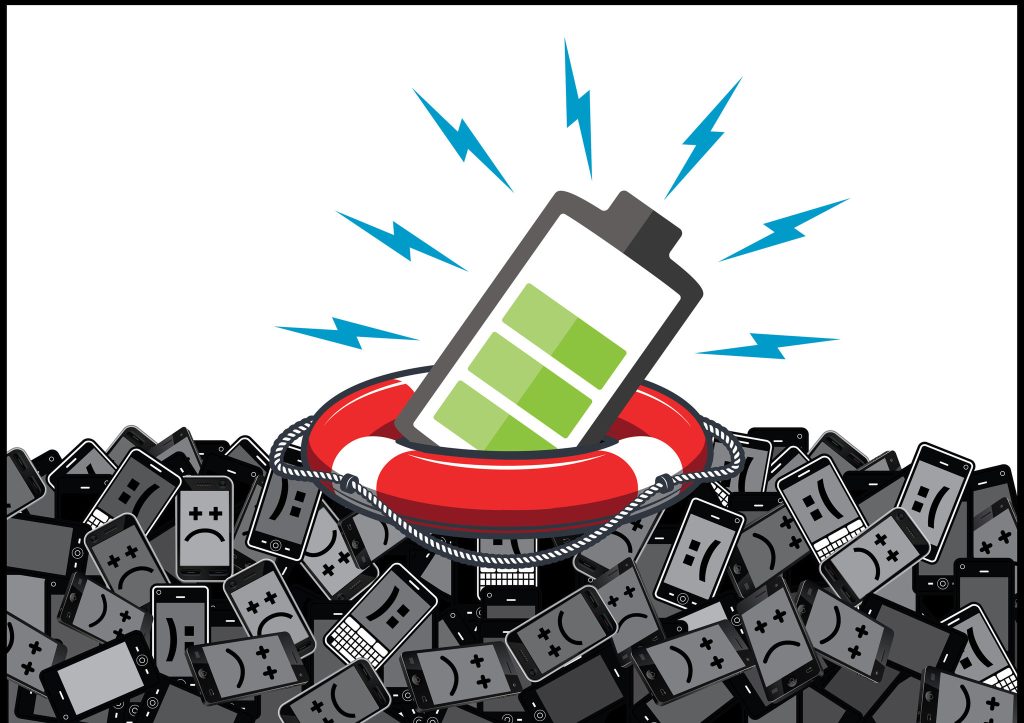


With phone batteries harder to replace than they used to be, small daily habits can make a real difference. Here are five practical tips to reduce wear on a lithium-ion battery.
Why batteries degrade
Lithium-ion batteries lose capacity over time and across charge cycles. The article notes that performance often starts to drop after roughly 500 charge cycles, which can translate to about 2 to 3 years for many users, making battery-friendly habits worth adopting.
Avoid sitting at 100% for hours
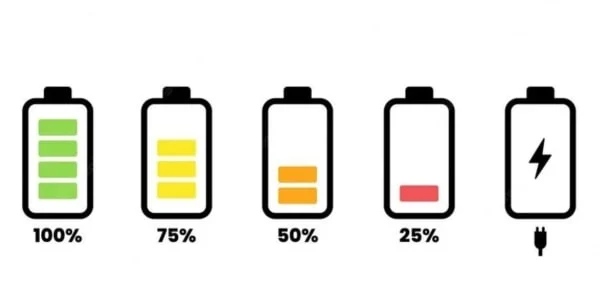
Leaving a phone charging all night can keep it at full charge for extended periods, increasing stress on the battery. A common approach is to stay in a gentler range, such as roughly 20% to 80%, and unplug before reaching 100% when possible.
Turn on optimized charging
Most modern iPhones and Android phones offer optimized or adaptive charging features that learn your routine and reduce unnecessary full-charge time. Some devices also provide battery health indicators that help you track capacity over time.
Temperature and heavy use while charging
Extreme heat and cold can accelerate degradation, so it is best to avoid leaving a phone in a freezing car or under direct hot conditions. Using the phone heavily while charging can also generate extra heat, which can contribute to faster chemical wear.
Use reliable chargers
Finally, the article recommends using manufacturer-approved chargers. Some ultra-fast or very cheap chargers may deliver unstable current or voltage and pose overheating risks over the long run.