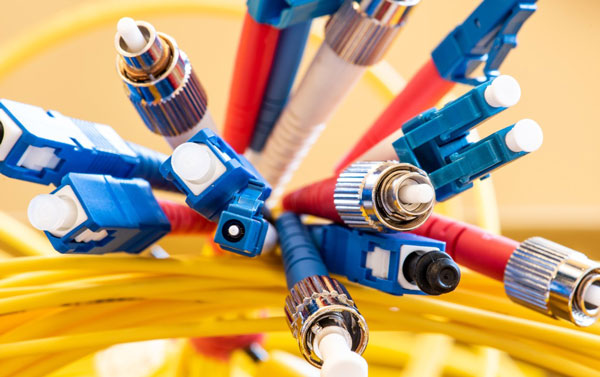
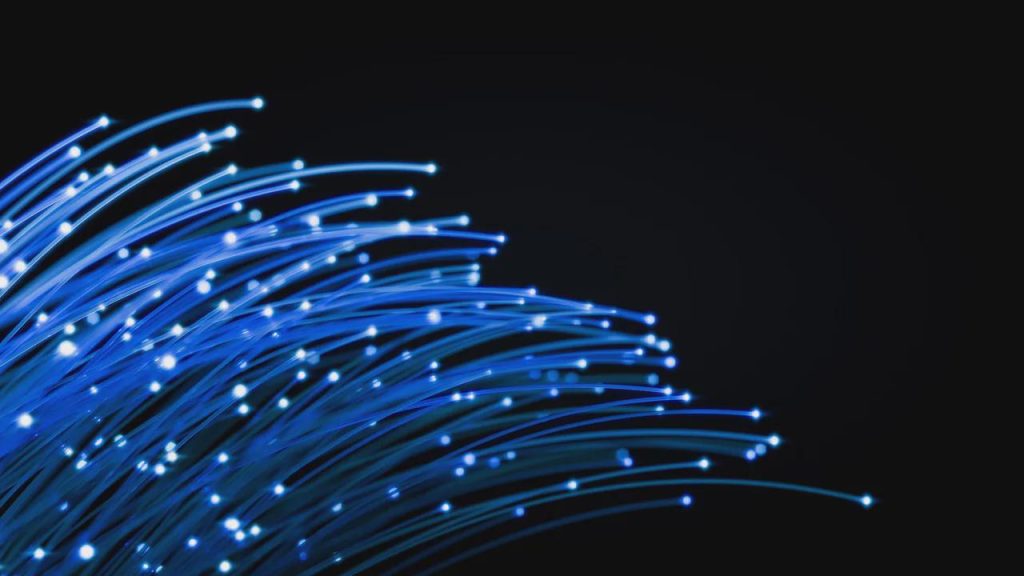


The artificial intelligence boom is consuming more than just silicon and electricity. It is rapidly draining the world’s supply of glass. As tech giants race to build unprecedented AI data centers, a severe supply-chain bottleneck has emerged: optical fiber.
According to recent financial reports and data from the China Electronic Components Industry Association. Global optical fiber manufacturing has essentially maxed out. Driven by massive AI infrastructure buildouts and an unexpected surge in military drone production. The supply-demand imbalance has pushed fiber prices to a seven-year high, signaling a physical limit to how fast the AI industry can scale.
How the Hardware Works: The AI Networking Backbone
In traditional cloud computing, data mostly travels “North-South”. Meaning from a server out to the internet and back to a user.
AI training, however, fundamentally changes this architecture. Training Large Language Models (LLMs) requires tens of thousands of GPUs to act as a single massive brain. This requires an astronomical amount of “East-West” traffic, GPUs constantly talking to other GPUs within the same facility. To prevent processing bottlenecks, this data must move at the speed of light. Requiring miles of high-density optical fiber to interconnect the server racks.
When you scale this up to facilities requiring gigawatts of power, the sheer volume of glass strands required for these optical interconnects is staggering.
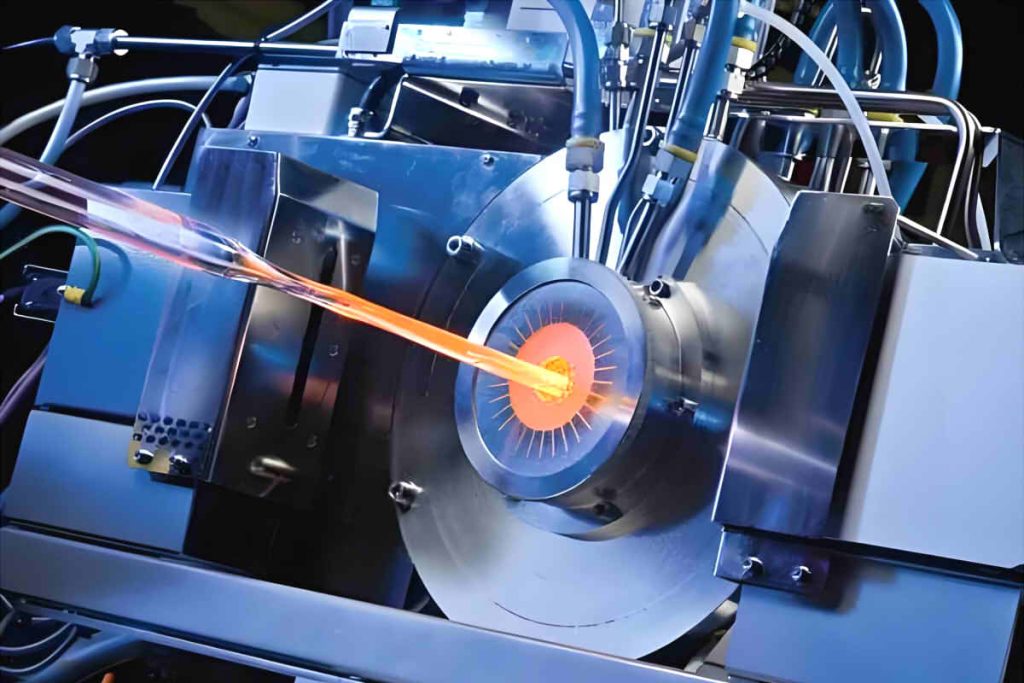
Known and Rumored Fiber Technologies & Market Drivers
The current supply squeeze exists at the intersection of standard telecommunications and cutting-edge data center design. Here are the key technologies and market players driving this bottleneck:
- Single-Mode G.652.D (The Industry Standard): This is the workhorse of the carrier market and the strongest indicator of the current crisis. G.652.D is a standard single-mode optical fiber designed to carry light over long distances with minimal signal loss. In January alone, the price of this specific fiber skyrocketed by 75%.
- The “Big Four” Chinese Vendors: According to market reports from Futu Securities and Hong Kong finance media. China’s four major optical fiber vendors are currently operating at 100% capacity. Because they supply a massive portion of the global market, their inability to scale up further has sent shockwaves through the pricing index.
- Corning & Hyperscaler Monopolization: While foreign vendors are also pushed to their limits, major tech companies are aggressively locking down future supplies. For example, Meta recently inked a rumored $6 billion deal with US-based. Corning to secure a dedicated supply of optical fiber for its upcoming AI data centers. Effectively removing that capacity from the open market.
- Military Drone Deployments (The Unexpected Catalyst): Alongside AI data centers, a surge in military and defense spending, specifically for advanced drone systems and battlefield communications. Is reportedly competing for the exact same fiber optic materials, worsening the global shortage.
- Hollow-Core Fiber (The Bleeding-Edge Alternative): As standard solid-glass fibers reach their physical data-carrying. Limits and face supply shortages, there are growing rumors of hyperscalers accelerating investments in “hollow-core” fibers. These fibers guide light through an air-filled microscopic channel, reducing latency by roughly 30%, a massive advantage for AI GPU clusters.
The Danger of the AI Squeeze
The core issue highlighted by telecom analysts is the collateral damage of this AI-driven price surge. Telecommunications companies (telcos) rely on affordable fiber to roll out 5G networks and residential broadband.
If AI hyperscalers like Microsoft, Google, and Meta continue to buy up the world’s fiber capacity at a premium. Everyday broadband expansions and rural connectivity projects may be priced out of the market entirely. The physical infrastructure of the internet is being re-routed to serve AI. And the rest of the tech world is left to fight over the scraps.