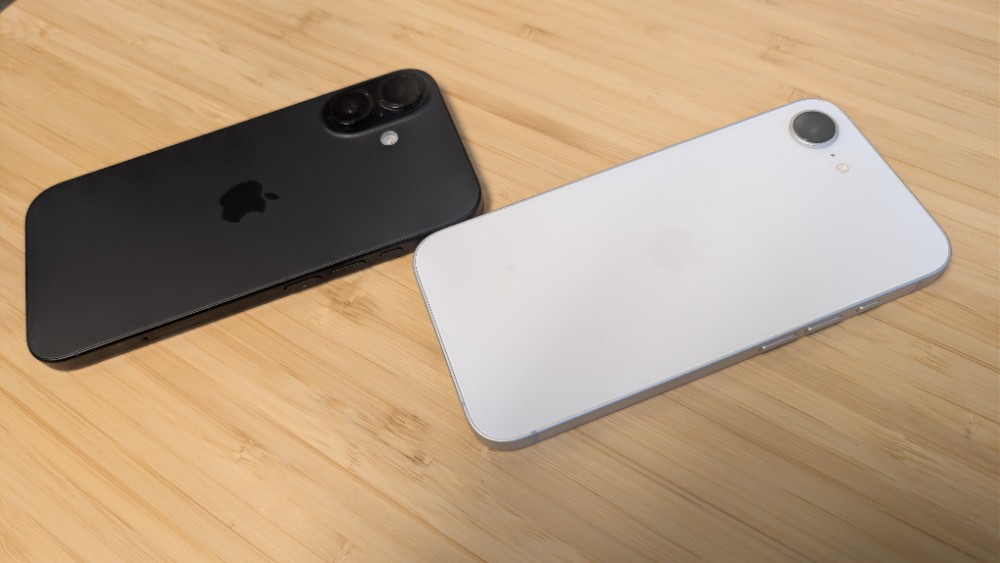


When Apple releases a new iPhone, the spec sheet only tells part of the story. In real life, most people want to know one simple thing: are the photos and videos actually better?
To find out, we compared the iPhone 17e and the iPhone 16 in everyday situations: indoor plants, an office setup with a TV, a close-up shot of a USB-C connector, and a short moving video.
This is not a lab test. It is a real-world comparison. And sometimes, that is where the most useful differences appear.
Our Method
We used both iPhones in similar scenes to compare:
- colour rendering
- sharpness
- shadows and highlights
- close-up performance
- video quality while moving
The scenes were simple, but effective. Plants are useful for judging greens, texture, and subtle detail. The office setup with the TV helps test dynamic range and dark areas. The USB-C close-up reveals how each phone handles fine detail. Finally, the moving video gives us a sense of stabilization and overall readability.
1. Plants: A Good Test for Colours and Texture
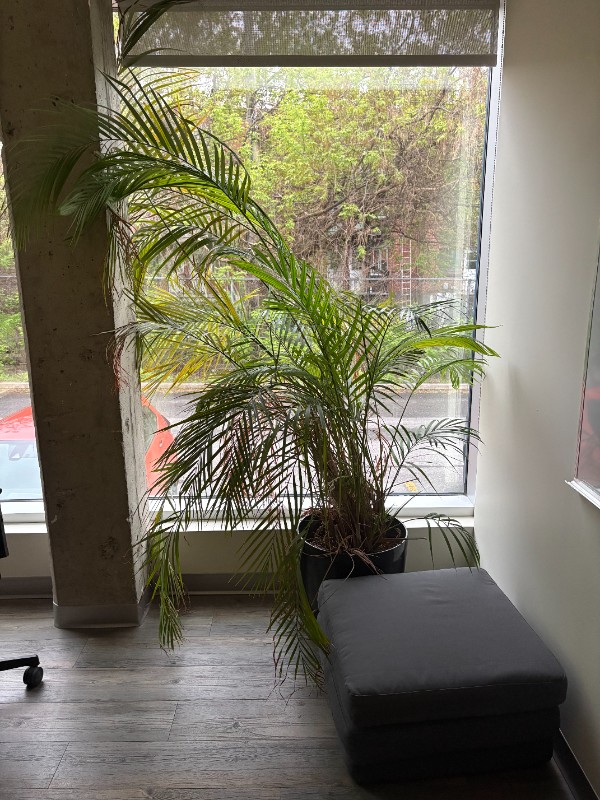
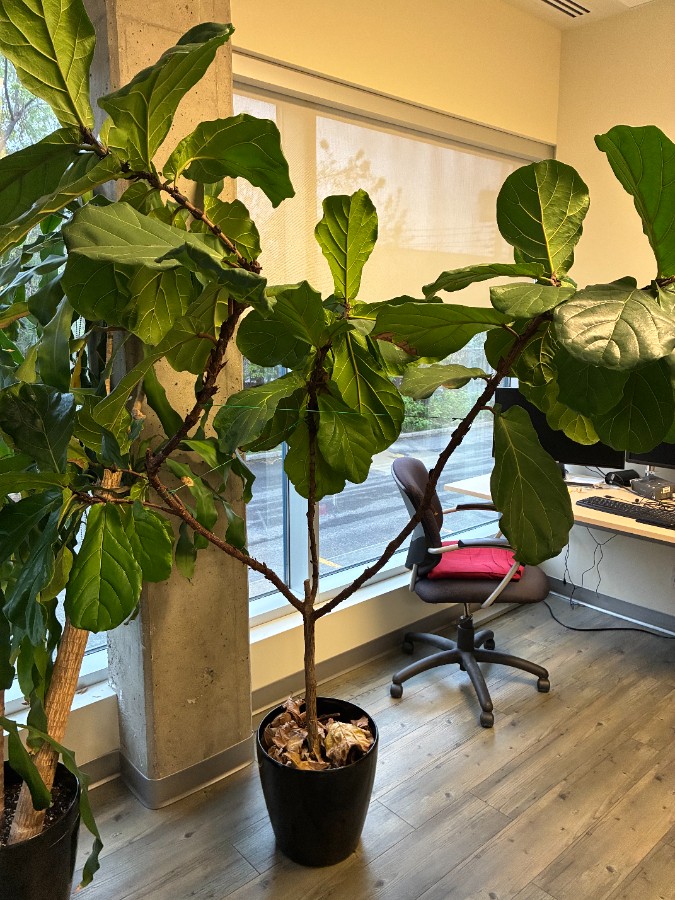
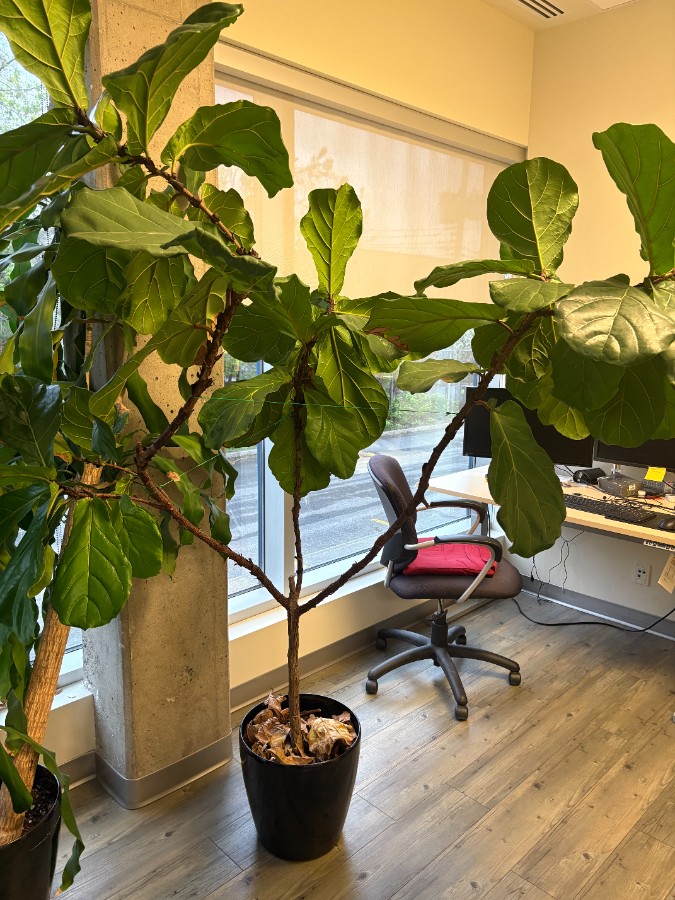
Both iPhones perform well with indoor plant photos, but they do not seem to handle the scene in exactly the same way.
The iPhone 16 appears slightly more stable and cleaner overall. The leaves keep a strong presence, and fine details like veins and edges seem a bit better preserved.
The iPhone 17e is still very convincing, but its result feels a little more dependent on software processing. At first glance, the difference is not dramatic. But when looking more closely, the iPhone 16 feels a bit more reassuring when it comes to texture.
For everyday photos, both phones do the job well. But the iPhone 16 seems to offer a little more comfort and consistency.
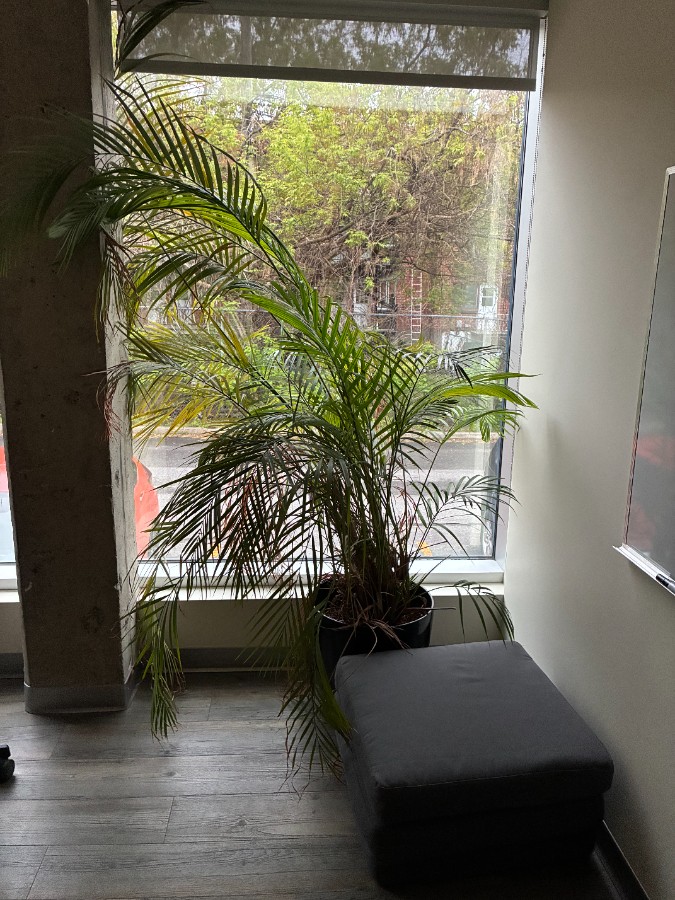
iPhone17e —————————————————- iPhone16
2. TV and Office Setup: The Difficult Lighting Test
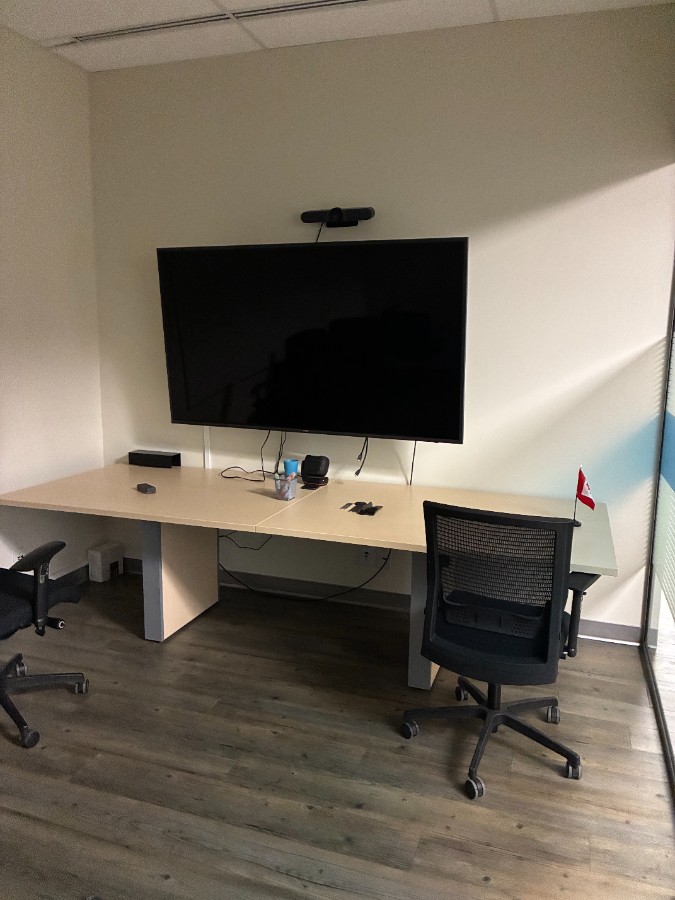
The office scene with the TV is interesting because it combines several tricky elements:
- a large black screen
- a light-coloured wall
- pale furniture
- window light coming from the side
This is the type of scene where a phone can easily lose detail in the shadows or overexpose brighter surfaces.
Here, the iPhone 16 seems to balance the image better. The room remains readable, clean, and fairly natural. The overall image gives the impression of better control between dark zones and brighter surfaces.
The iPhone 17e still performs well, but the iPhone 16 feels slightly more comfortable in this mixed-lighting situation. It is not a huge gap, but it is the kind of difference that matters if you often take indoor photos without adjusting anything manually.
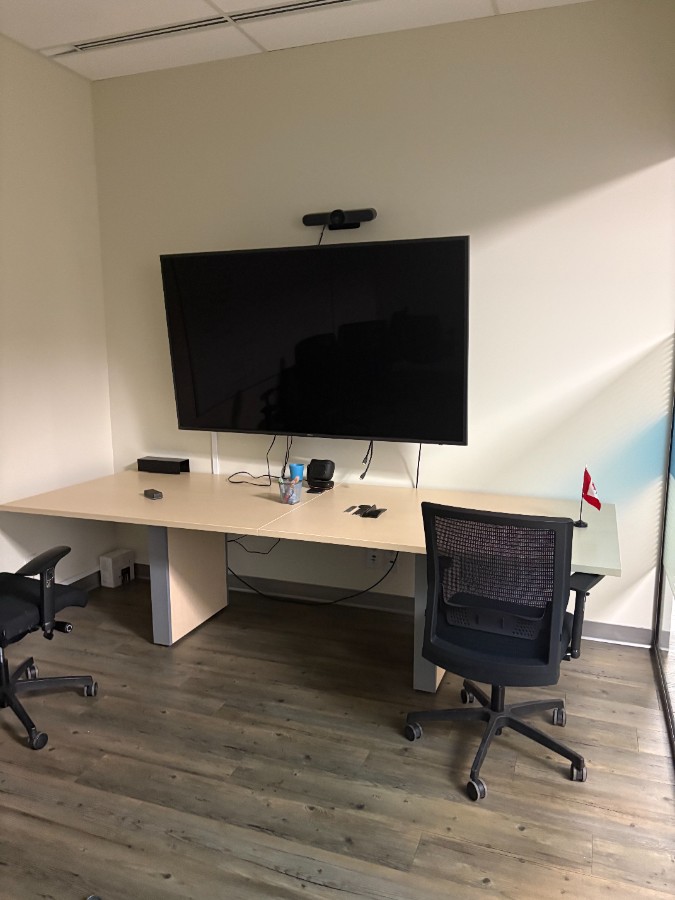
iPhone17e —————————————————- iPhone16
3. USB-C Close-Up: The iPhone 16 Takes the Lead
This is probably the comparison where the difference is easiest to notice.
The USB-C close-up is a strong test for:
- fine sharpness
- material texture
- connector edges
- image processing precision
In this scene, the iPhone 16 seems to have the advantage. The result looks sharper, cleaner, and more defined. This type of photo tends to favour phones that handle close-up detail and local sharpness better.
The iPhone 17e remains usable, but this is where its simpler positioning becomes more visible. If you often take photos of objects, small details, products, cables, or documents, the iPhone 16 feels better equipped.
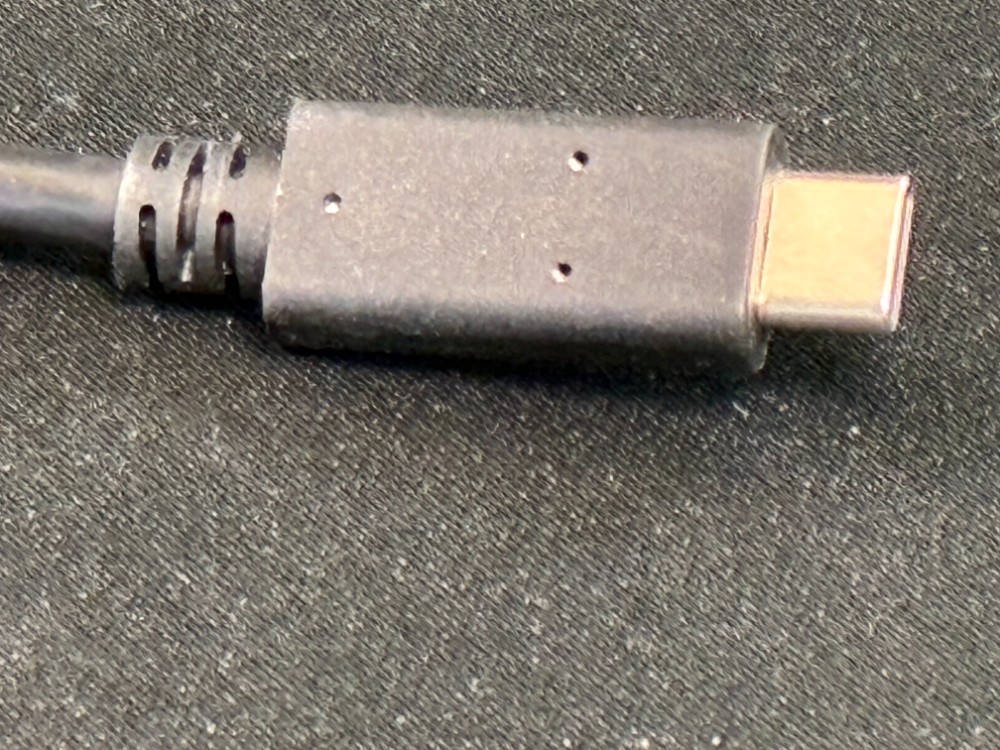
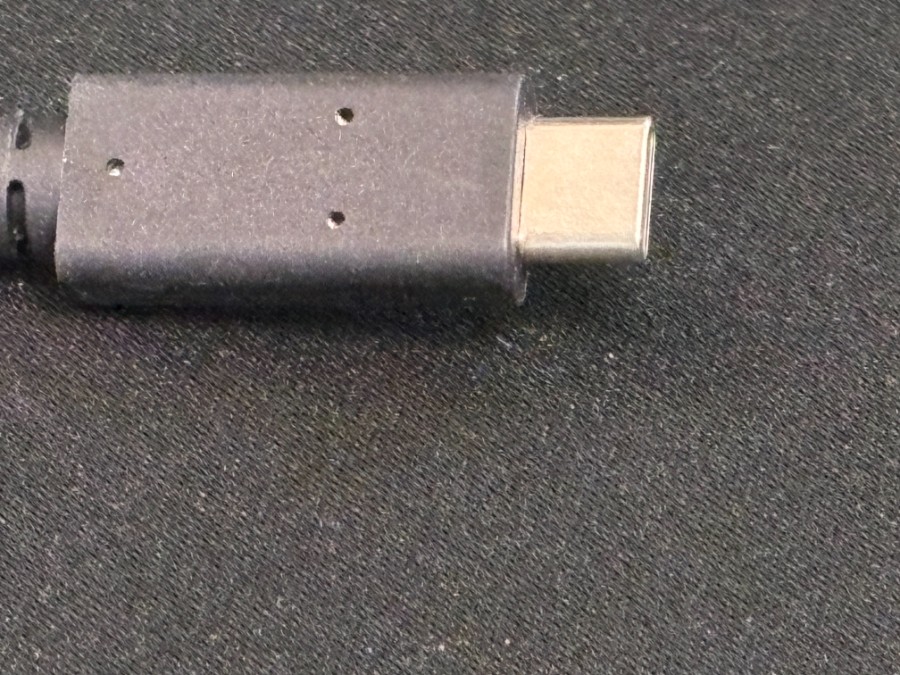
iPhone17e —————————————————- iPhone16
4. Moving Video: A Comparison to Treat Carefully
We also compared a short moving video from both phones. This normally helps judge:
- stabilization
- smoothness
- automatic exposure
- how readable the subject remains while moving
However, this comparison should be taken with some caution. The video files were not handled in exactly the same export conditions before being prepared for the article.
That said, at first glance, the iPhone 16 gives a stronger impression of overall stability and image control. But for video, we prefer to stay cautious instead of making a final technical judgment from compressed or edited files.
Verdict: The iPhone 16 Wins on Camera Flexibility, But the iPhone 17e Wins on Price
After our photo and video comparison, the conclusion is fairly clear: the iPhone 16 keeps the advantage if you want more camera flexibility, especially for close-ups, fine details, video, and more difficult indoor scenes.
But the iPhone 17e becomes much more interesting once price enters the discussion.
According to the PlanHub offers we saw at the time of our comparison, the iPhone 17e 256 GB was listed at $859.99 refurbished and $899.99 new. The iPhone 16 128 GB, meanwhile, appeared at $919 refurbished and $999.99 new.
In other words, the iPhone 17e could cost less while offering 256 GB of storage, compared with 128 GB for some iPhone 16 offers. The difference becomes even more noticeable when comparing the new iPhone 17e 256 GB at $899.99 with the new iPhone 16 256 GB at $1,279.97 in the offers we checked.
That is where the choice becomes interesting.
| User profile | Better choice |
|---|---|
| You want the best price-to-storage ratio | iPhone 17e |
| You want good photos without paying too much | iPhone 17e |
| You often shoot video or create content | iPhone 16 |
| You want more camera flexibility | iPhone 16 |
| You want the best deal overall | Compare offers on PlanHub |
The iPhone 16 remains the better choice for users who want more photo and video flexibility. But for many people, the iPhone 17e may be the more logical option. It costs less in several offers we observed, offers more storage in the configuration shown here, and still produces very good everyday images.
Before choosing, the most important thing is to compare the real prices available to you. Offers can change depending on the provider, province, storage capacity, phone condition, and current promotions.
PlanHub lets you compare offers for the iPhone 17e and the iPhone 16 based on available plans and pricing.
Our Choice
If photo and video are your top priority, the iPhone 16 remains the safer choice.
But if you are looking for the best balance between price, storage, and everyday performance, the iPhone 17e is very hard to ignore. It may not be the most complete iPhone, but it could be the smarter one to buy.