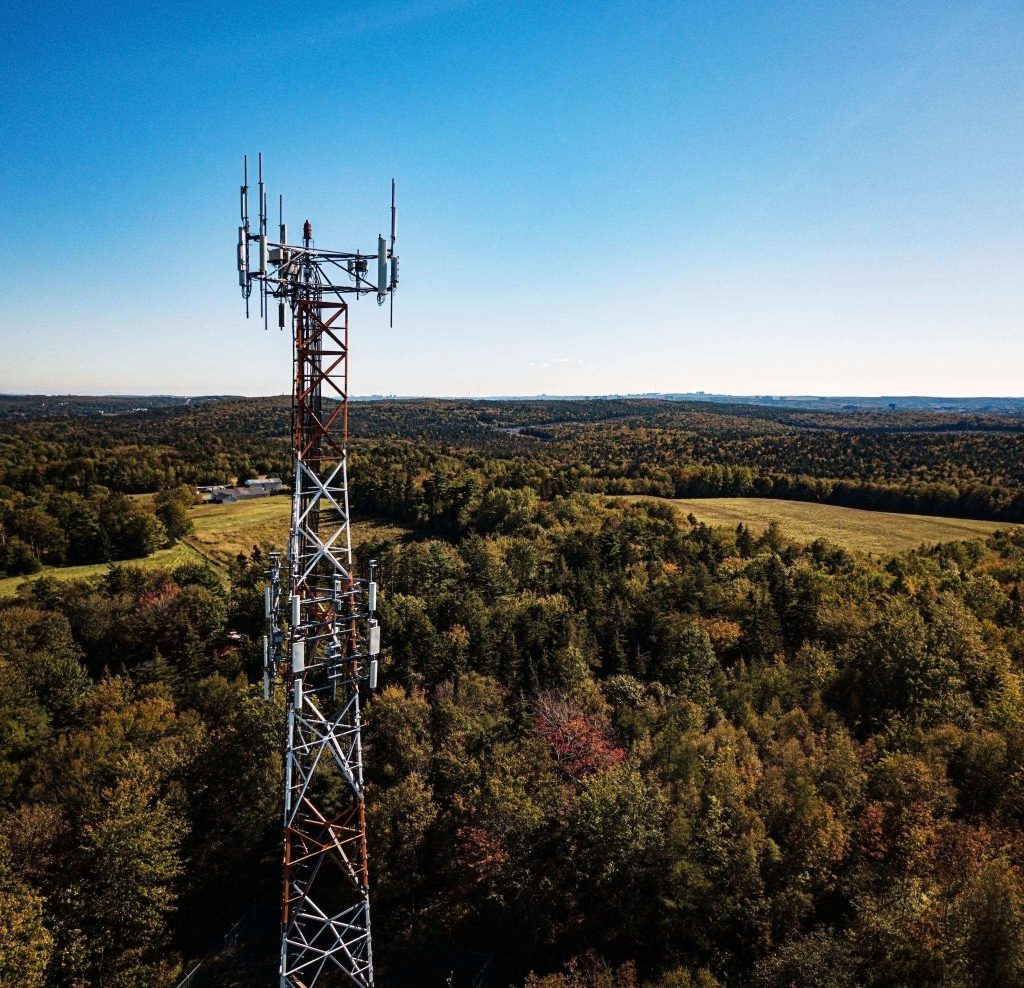



A new player could soon enter the satellite Internet market. Amazon Leo, formerly known as Project Kuiper, is getting closer to commercial launch and could become an important alternative to Starlink, especially for rural and underserved households.
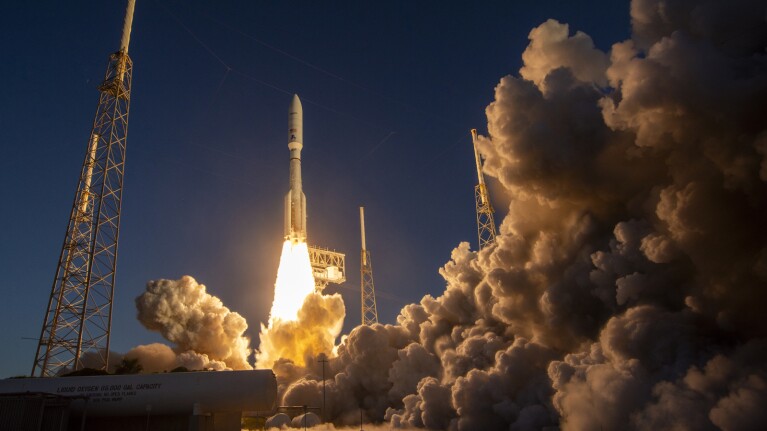
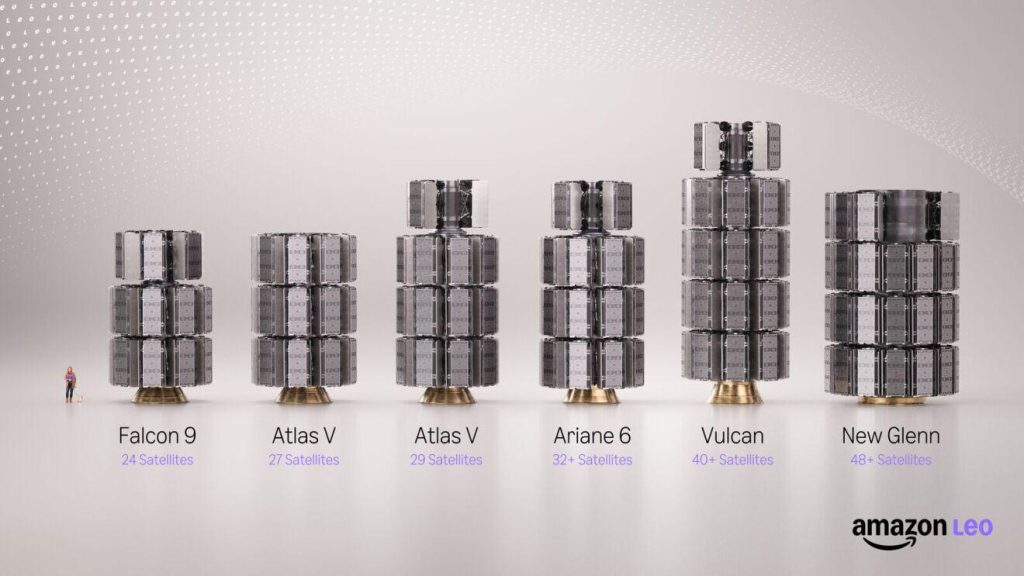
According to Reuters, Amazon expects to begin initial Leo Internet service later this year after passing more than 390 satellites in orbit. The latest mission sent 29 additional satellites into space aboard a United Launch Alliance Atlas V rocket.
For Canadians living in areas where fibre, cable or fixed wireless service remains limited, this new competition could become interesting. But for now, consumers should stay cautious: Amazon has not yet confirmed pricing, exact regional availability or residential plans for Canada.
What is Amazon Leo?
Amazon Leo is Amazon’s low Earth orbit satellite Internet network. The project was previously known as Project Kuiper.
Its goal is to provide fast, low-latency Internet access in places where traditional networks are unavailable or unreliable. Like Starlink, Amazon Leo uses satellites in low Earth orbit, much closer to Earth than older geostationary satellites.
That proximity can reduce latency, which matters for video calls, remote work, online gaming, cloud services and everyday Internet use.
Where does the rollout stand?
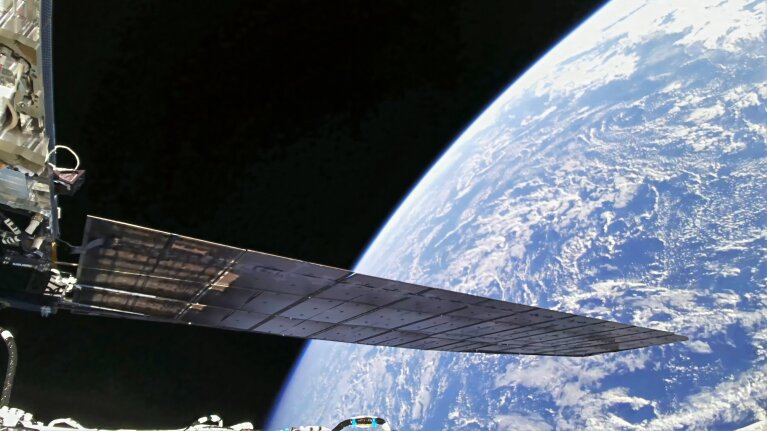
Amazon now has nearly 400 Leo satellites in orbit. The complete network is expected to include more than 3,000 satellites, so the project is still far from its final form.
Still, the current milestone matters. Reuters reports that Amazon believes it has completed enough launches to begin initial service this year. Coverage is expected to start stronger near northern and southern latitudes, then expand gradually toward the equator as more satellites are added.
That is worth watching in Canada. Rural and northern regions could be among the areas where this kind of service becomes useful sooner, although Amazon has not yet published a detailed consumer availability map for Canada.
A real alternative to Starlink?
Potentially, yes. But not at the same level right away.
Starlink already has a massive head start, with a much denser network, established commercial availability and several years of customer experience. Amazon Leo is arriving later, with fewer satellites in orbit and a lot of deployment still ahead.
That said, the arrival of a serious competitor could change the market. For consumers, more competition can mean better prices, stronger promotions, more equipment options or pressure to improve service quality.
In rural areas, that matters. When a household has only one viable option, it has very little shopping power. A second credible satellite provider could change the conversation.
Will Amazon Leo be available in Canada?
Canada is a logical market for Amazon Leo, especially because of its large geography and many underserved regions. SpaceQ reported in 2025 that Canada was among the countries targeted for early access to the service.
But several key details are still missing for consumers:
- Monthly pricing
- Equipment cost
- Exact launch date in Canada
- First provinces or regions served
- Real-world residential speeds
- Data limits, if any
- Installation or activation fees
Until those details are confirmed, Amazon Leo should be seen as an option to watch rather than a ready replacement for your current provider.
What consumers should compare
Once the service becomes available, consumers should not look only at advertised speed. With satellite Internet, several details can make a big difference in daily use.
Households should compare the full monthly price, antenna cost, latency, stability during bad weather, data limits, cancellation policy and customer support.
They should also compare Amazon Leo with every option available at the same address: fibre, cable, DSL, fixed wireless, residential 5G or Starlink. The best choice will not be the same for everyone.
A remote household may find Amazon Leo very useful. A household that already has affordable fibre or cable will likely have fewer reasons to switch.
Why this matters for rural Internet
Rural Internet remains a real issue in Canada. Even when governments announce fibre or mobile coverage projects, some addresses can still wait years for better service.
Satellite Internet does not always replace a strong fibre connection, but it can play an important role where land-based networks are too expensive to build or too slow to arrive.
Amazon Leo could therefore become another tool for rural connectivity. Not a magic solution. Not a space button that fixes everything. But another competitor in a market that needs more options.