
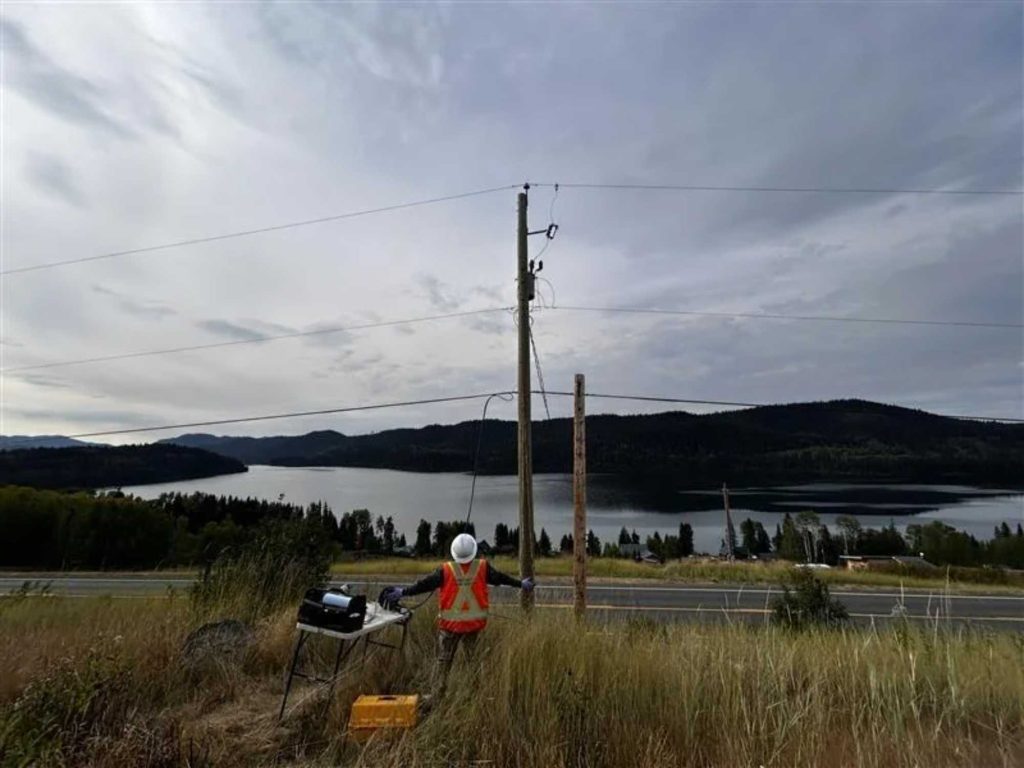


A major Internet expansion is coming to British Columbia, and it could change the lives of thousands of underserved rural households.
The Canada Infrastructure Bank, also known as the CIB, and TELUS have reached an agreement to expand fibre Internet access in several rural areas and Indigenous communities across British Columbia. The overall partnership represents a $379 million commitment, including a $49.3 million loan to TELUS to support the deployment of new infrastructure.
According to the CIB, the project is expected to connect more than 17,000 currently underserved households, including approximately 380 Indigenous households.
What is being built?
This is not simply a mobile coverage upgrade or a temporary wireless solution. The project includes both transport infrastructure and fibre-to-the-home connections.
That means fibre should be brought directly to homes, rather than stopping far away from the communities that need it most.
The project page indicates that the network will be able to offer speeds of up to 1.5 Gbps. This matters because Canada’s current high-speed Internet target is much lower, at 50 Mbps download and 10 Mbps upload. Fibre can therefore meet today’s needs while also preparing for tomorrow’s.
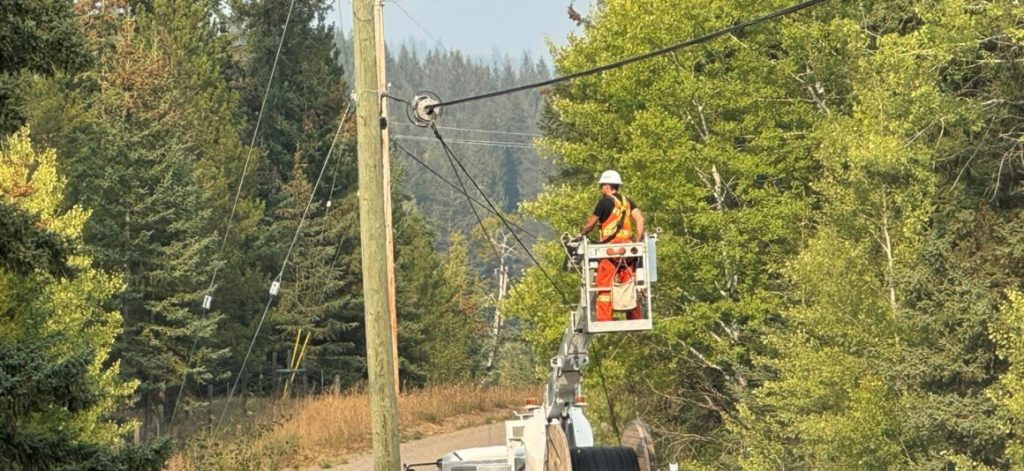
TELUS will be responsible for the construction, installation, operation and maintenance of the new service.
Why this matters for rural areas
For many Canadians living in cities, shopping for an Internet plan mostly means looking for a better promotion, more speed or a lower monthly price. In rural areas, the question is sometimes much simpler: is there even a reliable Internet option available at this address?
This gap does not only affect entertainment or video calls. A reliable connection can influence remote work, small businesses, online education, telehealth, government services, emergency communications and everyday family life.
The project is part of British Columbia’s Connecting Communities BC program, in partnership with the federal Universal Broadband Fund. These programs aim to reduce the connectivity gap in areas where building a network is expensive and where the business case is often less obvious.
Does this mean cheaper Internet?
Not automatically.
A new fibre connection can improve access and available speeds, but it does not guarantee lower prices on its own. Rural households should therefore continue to compare plans once the service becomes available in their area.
This is where consumers need to stay alert. Better infrastructure is a first step. But real competition and transparent pricing are what determine whether households actually get better value.

The competition question
This announcement also raises a broader question.
Public funding can help connect areas where private companies might not have built a network on their own. But when major providers receive support for rural projects, some smaller Internet providers wonder whether these funds could have done more to support local or regional players.
This debate is already visible in online discussions around the announcement. Some rural providers and residents worry that funding large telecom companies could reinforce market concentration. Others point out that rural fibre projects are expensive, complex and difficult to deliver without major infrastructure players.
When will households be connected?
The CIB announcement confirms the agreement and the scope of the project, but it does not provide a detailed public address-by-address timeline.
Residents should therefore not expect fibre to arrive immediately. Rural fibre projects can take time because they involve permits, utility poles, rights-of-way, long distances, difficult terrain and a lot of coordination.
Affected households should watch for updates from TELUS, local governments, Indigenous governments, the Province of British Columbia or federal broadband programs.