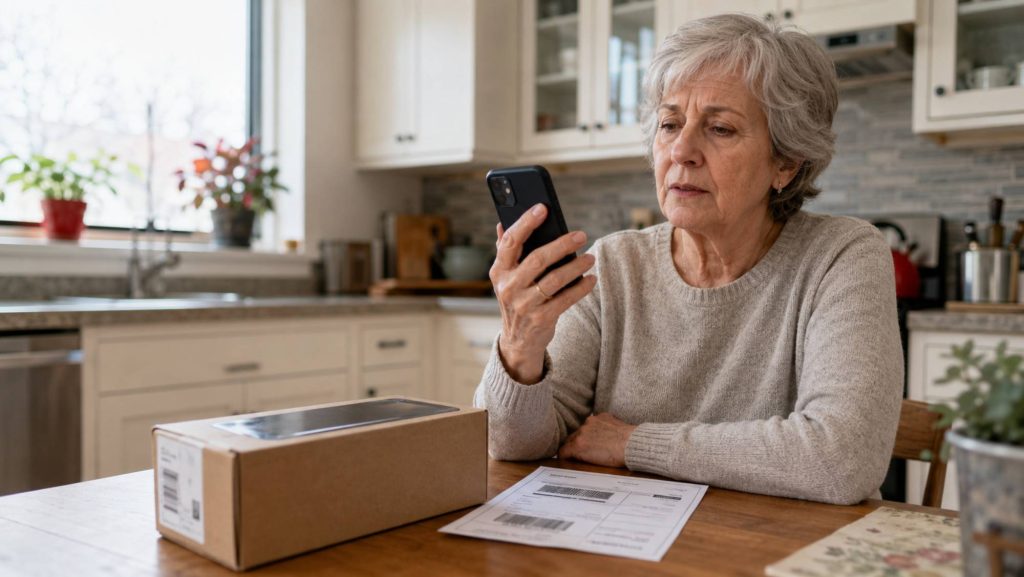


A fake telecom agent scam may start with real details about your phone order, mobile plan or delivery date. However, those details do not prove that the caller works for your carrier. Scammers can use them to gain your trust and convince you to ship a new phone to an address they control.
A real phone order becomes a fake return
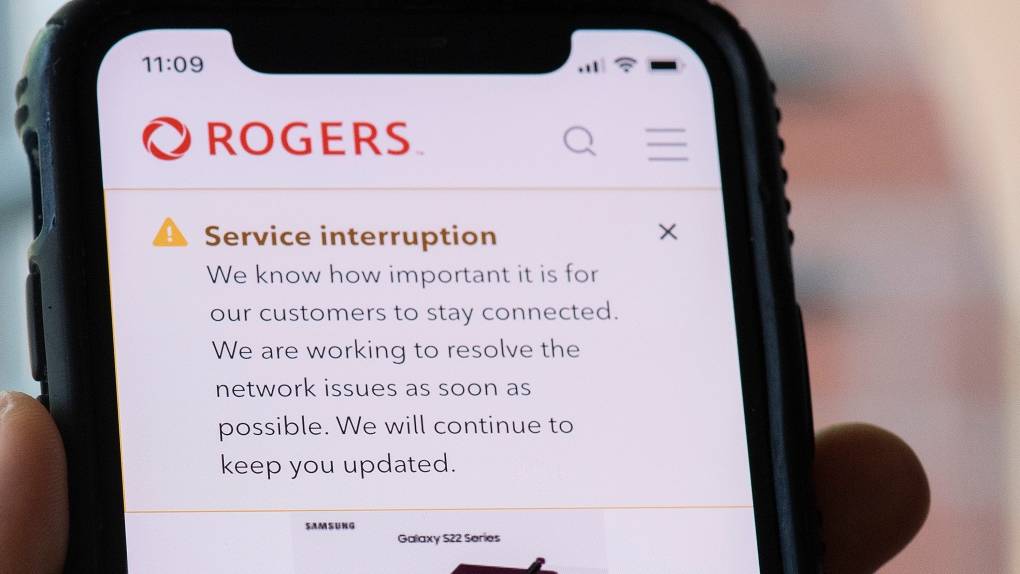
A British Columbia customer recently ordered a new device through her Rogers account. Soon after, a man called her and claimed to work for Rogers. He knew details about the order and even knew when the phone would arrive.
The caller later promised her a special loyalty offer. First, he asked her to return the device using a prepaid shipping label. She followed his instructions because the call seemed legitimate. However, the label sent the phone to an address that did not belong to Rogers.
How the fake telecom agent scam works
This case does not stand alone. On July 15, Halton Regional Police announced an arrest linked to a similar scam involving customers of Rogers, Bell and Telus.
Police say the scammers posed as telecom employees and offered free phones or other devices. They told victims to place orders through their real carrier accounts. Then, once the devices arrived, the scammers claimed that an error had occurred. They directed each victim to return the device to a post office box under their control.
Investigators seized 22 electronic devices worth more than $36,000. The devices included iPhones, iPads and Samsung Galaxy phones. Police also say the group planned to sell the devices overseas. A court has not tested the charges.
Why these calls seem legitimate
Fraudsters often use real account or delivery details to sound convincing. They may know your name, carrier, recent order or expected delivery date. In addition, they can spoof caller ID and make a call appear local or official.
Still, no unexpected caller should decide where you send a phone. If someone calls with an offer or return request, hang up. Then contact your carrier through its official website, mobile app or the number printed on your bill.
Never use a phone number, link or shipping label supplied by the caller. If the offer is real, your carrier can confirm it through its official channels. Rogers also advises customers not to share personal or financial information during an unexpected call.
A simple rule for seniors and families
Families can create one simple rule: before accepting a new offer, sharing a security code or returning a device, take ten minutes and speak with someone you trust.
Fraudsters depend on urgency, confusion and the fear of losing a promotion. Therefore, a short pause can break their strategy. Taking time to verify a request is not rude. Most importantly, the victim should never feel ashamed. A well-prepared scam can fool anyone.
What to do if you sent a phone
If you shipped a device or shared personal information, contact your carrier immediately. Contact your bank or credit card company if you also shared financial details. Next, change any affected passwords and PINs.
Keep all emails, text messages, receipts, shipping labels and tracking numbers. Contact local police and ask for a file number. Then report the incident to the Canadian Anti-Fraud Centre, either online or by calling 1-888-495-8501. You should report the attempt even if you lost no money.
In 2025, the Centre received more than 112,000 fraud reports involving over $704 million in losses. Yet experts estimate that Canadians report only 5 to 10 per cent of fraud cases. Every report can help investigators connect incidents, identify patterns and protect other potential victims.