


At Mobile World Congress 2026, Motorola made a major move by announcing a long-term partnership with the GrapheneOS Foundation. For the first time, GrapheneOS could break out of its Google Pixel exclusivity and land on mainstream smartphones, a development that’s turning heads across the mobile security world.
What Is GrapheneOS?
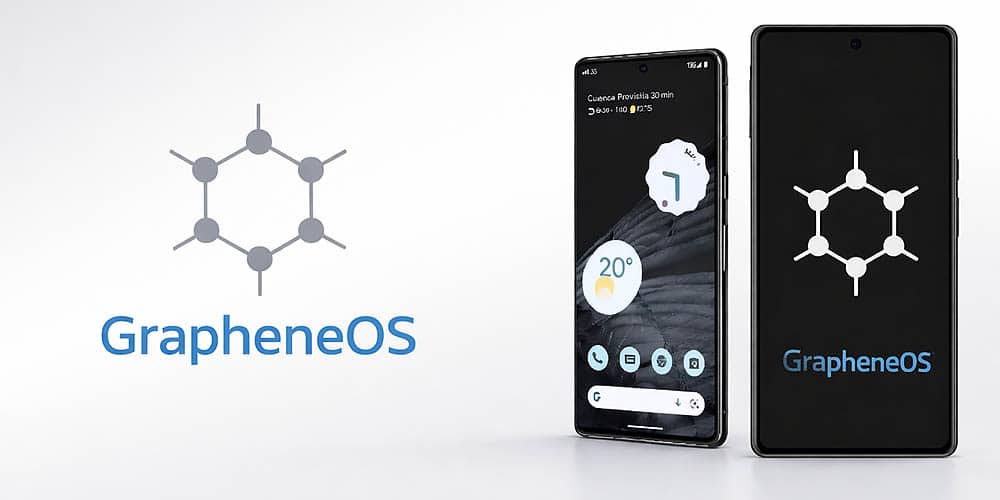
GrapheneOS is an open-source mobile operating system built on the Android Open Source Project (AOSP), designed from the ground up to maximize privacy and security. It hardens app sandboxing, reduces known attack surfaces, and limits system-level data access. Its most defining feature: Google services are not included by default. Users can install them manually as fully sandboxed apps with no special system privileges.
Until now, GrapheneOS officially supported only Google Pixel devices, due to strict hardware security requirements tied to physical device protection.
What Motorola Announced
The partnership, unveiled in Barcelona at MWC 2026, covers two main areas:
- A future Motorola smartphone shipping with GrapheneOS pre-installed — a device not yet named, expected to exceed even the Motorola Signature’s current specifications.
- Porting select GrapheneOS features to other Motorola devices, extending enhanced security to a broader range of users.
Alongside the partnership, Motorola also announced two new B2B tools:
- Moto Secure, expanded with a new Private Image Data feature that automatically strips sensitive metadata (location, device info) from all new photos taken on the device.
- Moto Analytics, an enterprise-grade platform giving IT administrators real-time visibility into device performance across their fleet.
Why This Matters for You
Mobile security is no longer just a concern for corporations or activists. In a world where apps constantly harvest your data, photo metadata can expose your location, and commercial operating systems are filled with trackers, a GrapheneOS-powered phone offers a real alternative for anyone who wants more control over their digital privacy.
For privacy-conscious Canadians, this partnership opens a significant door: the ability to get a genuinely secure smartphone without relying on a Google Pixel or navigating a complex manual installation.
What’s Still To Be Confirmed
Motorola has not yet revealed which device will carry GrapheneOS or provided an exact launch timeline. The two organizations will continue collaborating in the months ahead on joint research, software improvements, and new security capabilities. More details are expected as the partnership evolves.
A Signal the Industry Should Take Seriously
This move by Motorola, a Lenovo company, sends a clear message to the rest of the industry: privacy and security are no longer niche selling points. Backed by Lenovo’s ThinkShield enterprise security framework, this collaboration could redefine what a secure Android phone looks like for everyday users.
At PlanHub, we’ll be watching this closely to help you choose the plan and device that best fits your needs, with full information in hand.