


TELUS is asking the CRTC for permission to temporarily lock newly financed or subsidized phones to its network.
The company argues that a 60-day locking period could reduce fraud, device theft and the rapid resale of expensive smartphones overseas.
The proposal may help address certain types of fraud, but it could also create new complications for legitimate customers. It also raises a broader question: what can someone actually do with a stolen phone in 2026?
What TELUS Is Asking the CRTC to Approve
TELUS wants Canadian carriers to be allowed to lock newly financed or subsidized devices for up to 60 days.
The company initially planned to begin applying the policy on July 30, 2026. However, current CRTC rules still require carriers to sell unlocked phones unless the Commission formally approves a change.
Since December 2017, phones sold by Canadian wireless providers have been required to remain unlocked. The rule was introduced partly to make it easier for customers to change providers and use their devices with other networks.
Why TELUS Wants to Bring Phone Locking Back
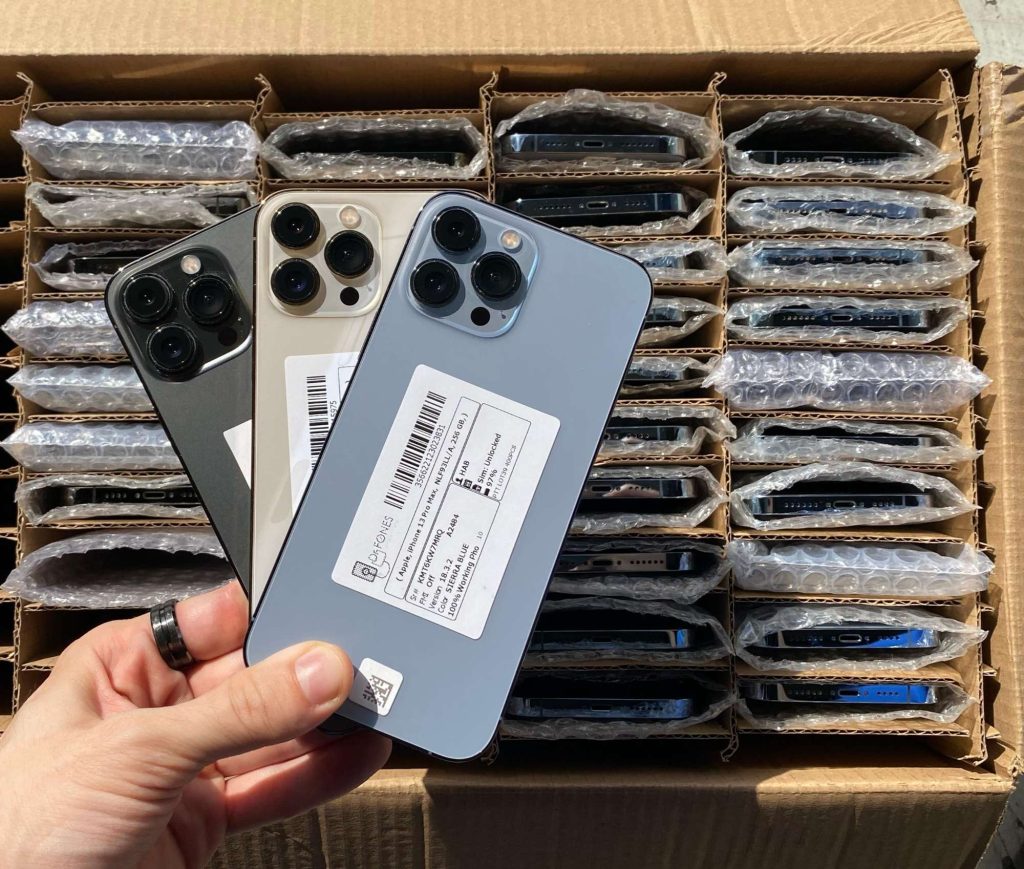
A premium smartphone can now cost more than $2,000. It is small, easy to transport and can be resold quickly.
Some fraudulent purchases may only be detected after a device has already been activated. A phone could be obtained using a stolen identity, a compromised account or a fraudulent payment method, then resold before the first bill is paid.
By locking the device to its original network for 60 days, TELUS hopes to reduce its immediate resale value. During that period, the phone would not freely accept a SIM card from another Canadian or international carrier.
What Problems Could the Policy Create?
The policy could make some types of fraud more difficult, but it would also affect legitimate customers financing their phones.
A customer may want to:
- use a local SIM card while travelling;
- switch carriers shortly after buying the phone;
- give the device to a family member;
- use a second SIM or eSIM;
- take advantage of a competing wireless promotion.
TELUS is expected to offer some form of early unlocking process. Customers may still need to contact the company and complete additional identity or payment checks.
That creates a delicate balance. If early unlocking is too easy, fraudsters may also find ways to use it. If it is too difficult, legitimate customers could face unnecessary delays and restrictions.
More importantly, carrier locking only addresses one possible use of a stolen phone.
What Can Someone Actually Do With a Stolen Phone?
The answer depends heavily on how the phone is protected and whether it was unlocked when it was taken.
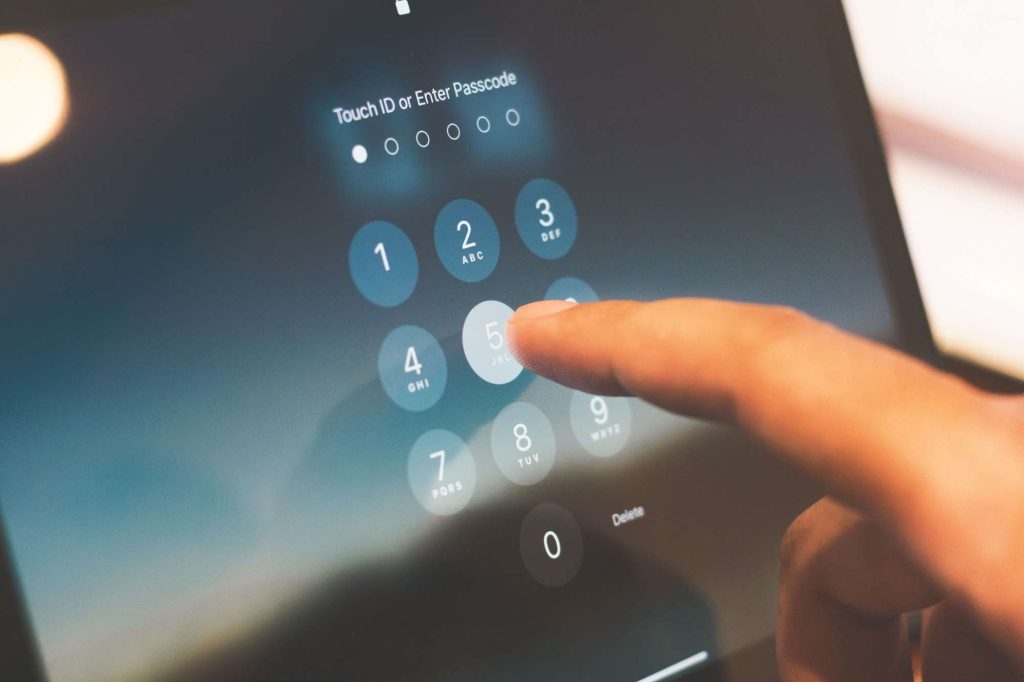
A locked device protected by a strong passcode and still connected to its owner’s Apple or Google account is much harder to exploit than a phone stolen while its screen is open.
Access Personal Data
The greatest risk occurs when a phone is stolen while unlocked or when the thief knows the passcode.
Someone could attempt to access:
- emails and text messages;
- photos and documents;
- social media accounts;
- saved payment information;
- notifications containing security codes;
- password reset links.
Banking apps and password managers often require additional authentication, but not every piece of information receives the same level of protection.
Apple offers Stolen Device Protection, while Android includes tools such as Theft Detection Lock, Remote Lock and Identity Check on supported devices.
A 60-day TELUS network lock would not directly protect any of this personal data.
Use the SIM Card or Phone Number
A physical SIM card without a PIN may be removed and placed inside another phone before the owner reports the theft.
The thief could potentially receive calls or text messages sent to the victim’s number, including some two-factor authentication codes.
An eSIM is harder to physically remove, but the owner should still contact the carrier immediately to suspend the mobile line.
Carrier locking limits which SIM cards can be used inside the stolen phone. It does not fully protect the customer’s phone number or wireless account.
Reset and Resell the Device
Resetting a modern phone does not normally turn it into a clean device ready for resale.
On an iPhone, Activation Lock keeps the device connected to the owner’s Apple Account. On Android, Factory Reset Protection requires the previous screen lock or Google Account credentials before the phone can be set up again.
These protections can become ineffective if the owner is tricked into removing the stolen device from their account.
Use the Phone on Another Network
The owner can ask their carrier to suspend the service and place the phone’s IMEI number on a blacklist.
That should prevent the device from connecting to participating Canadian mobile networks, even when a different SIM card is inserted.
A carrier network lock and an IMEI blacklist are not the same thing.
A network-locked device can still function on its approved carrier. A blacklisted device should be rejected by participating networks.
Export the Phone
A phone blacklisted in Canada may still have value in a country where the Canadian blacklist is not recognized or consistently enforced.
This is likely one of the main problems TELUS is attempting to address. A phone locked to the original carrier could be more difficult to use immediately with a foreign provider.
However, the measure would not guarantee that the device could never be unlocked, exported or dismantled.
Sell the Parts
Even when a stolen phone cannot be activated, some components may retain value.
Screens, cameras, batteries, housings and other parts can be used to repair additional devices. Manufacturers are increasingly linking certain components to individual phones or accounts, but the resale market for parts has not disappeared.
A 60-day carrier lock would have little effect on this type of activity.
Send Fake Messages to the Owner
A stolen phone can also be used as bait.
The owner may receive a message claiming that the device has been found or located. The link may lead to a fake Apple, Google or police website designed to steal account credentials.
The goal is often to convince the victim to remove the phone from their account, disabling one of the strongest protections against resale.
These Protections Do Different Jobs
| Protection | Main purpose |
|---|---|
| TELUS network lock | Temporarily prevents the use of SIM cards from other carriers |
| Passcode and biometrics | Protect personal data and applications |
| Activation Lock or Factory Reset Protection | Prevents easy activation after a factory reset |
| IMEI blacklist | Blocks the device from participating mobile networks |
| Find My or Find Hub | Locates, locks or erases the phone remotely |
| SIM PIN | Prevents a physical SIM from being used in another device |
Carrier locking could reduce part of a stolen phone’s commercial value, but it would not directly protect the owner’s data, accounts or mobile number.
What Should You Do if Your Phone Is Stolen?
Use Find My on an iPhone or Find Hub on Android to locate and lock the device. Do not attempt to recover it alone from an unfamiliar location.
Contact your carrier to suspend the line and request that the IMEI be blacklisted.
If the phone was unlocked when it disappeared, or if someone may have seen the passcode, quickly change the passwords for your Apple or Google account, primary email address and financial services.
Do not remove the phone from your Apple or Google account, even if someone contacts you claiming to have found it.
A Partial Solution to a Much Larger Problem
TELUS’ proposal could slow certain forms of fraud and make it harder to immediately resell a newly financed phone.
It could also create new restrictions for customers who travel, switch carriers or want to use another SIM card.
A stolen phone does not derive its value only from its ability to connect to another wireless network. Personal data, account access, international resale, phishing and replacement parts are also part of the equation.
The CRTC will need to determine whether the potential benefits of a 60-day lock are strong enough to justify bringing back a restriction that disappeared from the Canadian wireless market in 2017.