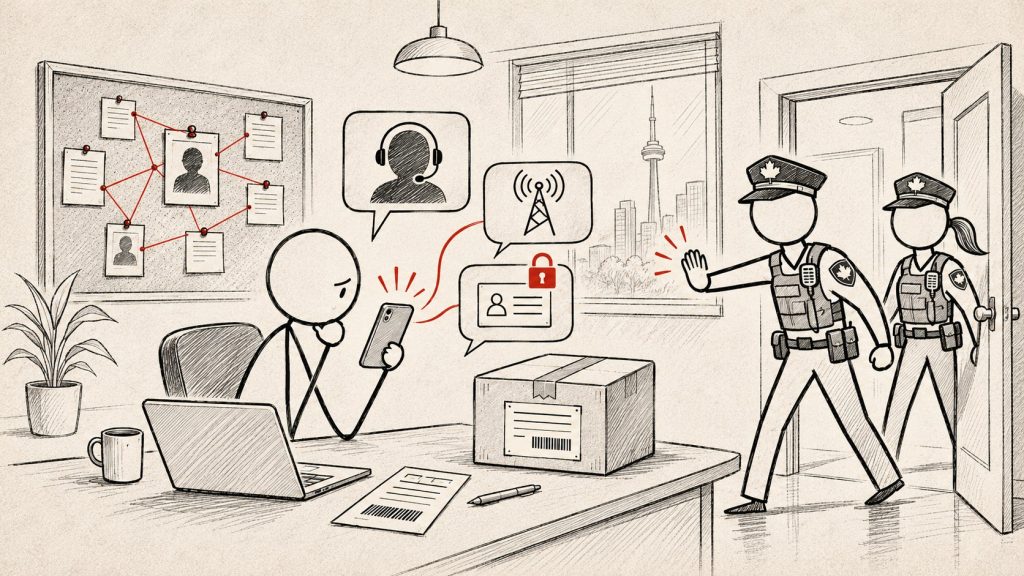



Quebecor has proposed a $31.4-billion takeover of TELUS. While the deal could improve mobile coverage and reduce network costs, it raises a major concern: could Canada lose the fourth wireless competitor that was supposed to help lower cellphone prices?
On November 16, 2026, Quebecor unveiled its plan to bring TELUS, Videotron, Freedom Mobile, Fizz, Koodo and Public Mobile under one corporate group.
The proposal has sparked widespread debate. Ottawa has promised rigorous regulatory scrutiny, while TELUS says the offer presents significant regulatory risks and fails to adequately reflect the company’s value.
But what would this merger actually mean for wireless customers?
Fewer competitors, but cheaper phone plans?
In 2023, Ottawa supported Videotron’s acquisition of Freedom Mobile to preserve a fourth national wireless competitor challenging Bell, Rogers and TELUS.
Three years later, Quebecor wants to acquire one of those three major carriers.
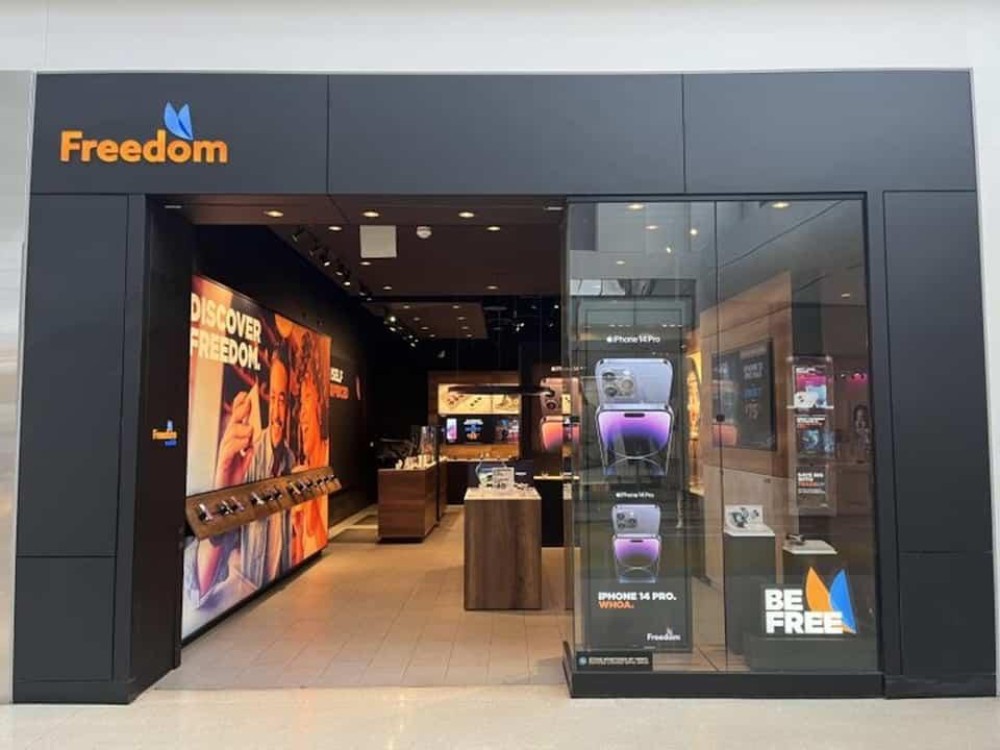
In discussions on r/planhub and r/CanadianBroadband, some Canadians worry that Freedom and Fizz could lose their aggressive pricing strategies. Others hope Videotron’s approach to customer service and pricing could benefit TELUS subscribers.
These comments are anecdotal, but they highlight the central dilemma.
Quebecor projects approximately $395 million in annual efficiencies. However, with roughly $10 billion in additional debt financing anticipated, there is no guarantee those savings would reach consumers.
The real risk is keeping six familiar brands while reducing the number of independent competitors behind them.
Could mobile and satellite coverage improve?
There is a potential upside. Freedom and Fizz customers could eventually benefit from broader access to TELUS’s national wireless infrastructure.
However, TELUS already shares much of its radio access network with Bell. A merger would raise questions about existing agreements and their implications for other providers.
Satellite connectivity adds another dimension.
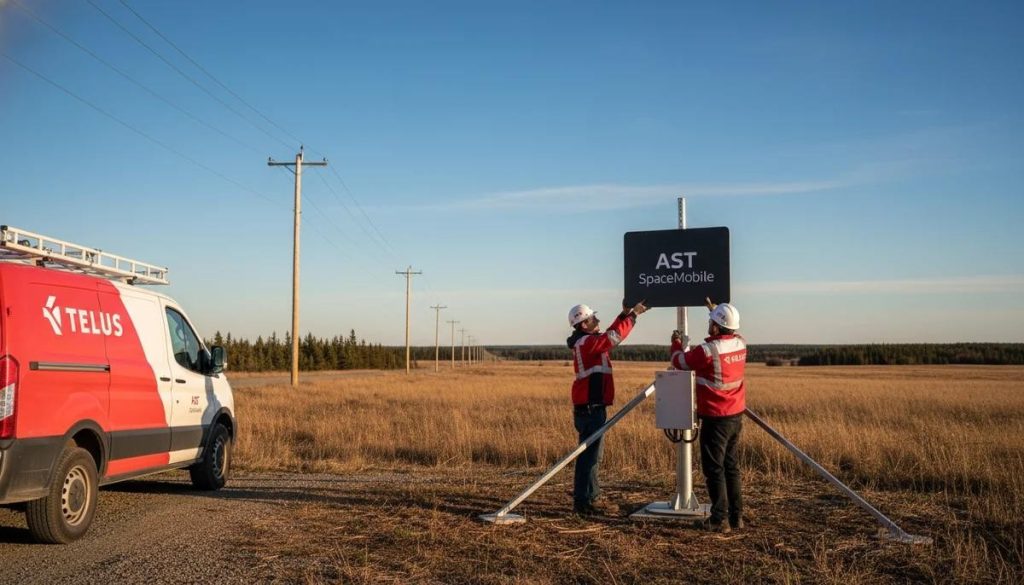
In March 2026, TELUS signed an agreement with AST SpaceMobile to develop direct satellite-to-smartphone connectivity.
Quebecor could inherit that strategy, potentially supporting its national coverage ambitions.
Still, neither better coverage nor improved network reliability would be automatic.
Could Ottawa block the deal?
Yes. Industry Minister Mélanie Joly confirmed on November 16 that the proposed transaction would undergo independent and rigorous regulatory scrutiny.
The Competition Bureau would examine potential harm to competition, the CRTC would consider matters within its jurisdiction, and Innovation, Science and Economic Development Canada would oversee relevant spectrum licensing issues.
Authorities could seek pricing commitments, investment guarantees or asset divestitures. They could also challenge or prevent the transaction if its competitive risks could not be adequately addressed.
Scotiabank analyst Maher Yagi has warned that the proposal could undermine the competitive structure established when Freedom Mobile was separated from the Rogers-Shaw transaction in 2023.

Should Canadians switch wireless plans now?
No, not because of this announcement. No acquisition has been completed, and no changes to existing customer plans have been announced.
For consumers, the best approach remains comparing actual monthly costs, network coverage, included data and promotional conditions.
A larger national network could be beneficial. But only if Canadians continue to enjoy competitive pricing and meaningful choice.
Ultimately, the question isn’t whether Quebecor becomes more powerful. It’s whether Canadian consumers would actually benefit.