



TELUS customer accounts were compromised between February 2025 and June 2026. Personal information and billing details were accessed without authorization. In addition, some customers received legitimate security alerts that were mistakenly identified as scams. Here is what happened and how to protect your account.
TELUS Customer Accounts Compromised Over 16 Months
In September 2026, TELUS confirmed that unauthorized individuals had accessed certain customer accounts. They used compromised login credentials to gain access.
The unauthorized access occurred between February 2025 and June 2026, spanning a period of 16 months.
Several types of personal information may have been exposed. These include customer names, phone numbers, mailing addresses, and email addresses.
The affected information also includes account numbers and the last four digits of stored payment cards. Subscription details and billing history may have been accessed as well.
Criminals could use this information to make fraudulent communications appear more convincing. For example, they might contact customers and encourage them to switch service providers.
In addition, the information could potentially be used to make unauthorized changes to customer services.
TELUS has not disclosed the exact number of affected customers. However, the company describes the incident as involving a limited number of accounts.
Legitimate Security Alerts Mistaken for Scams
A few days after the incident became public, another problem emerged.
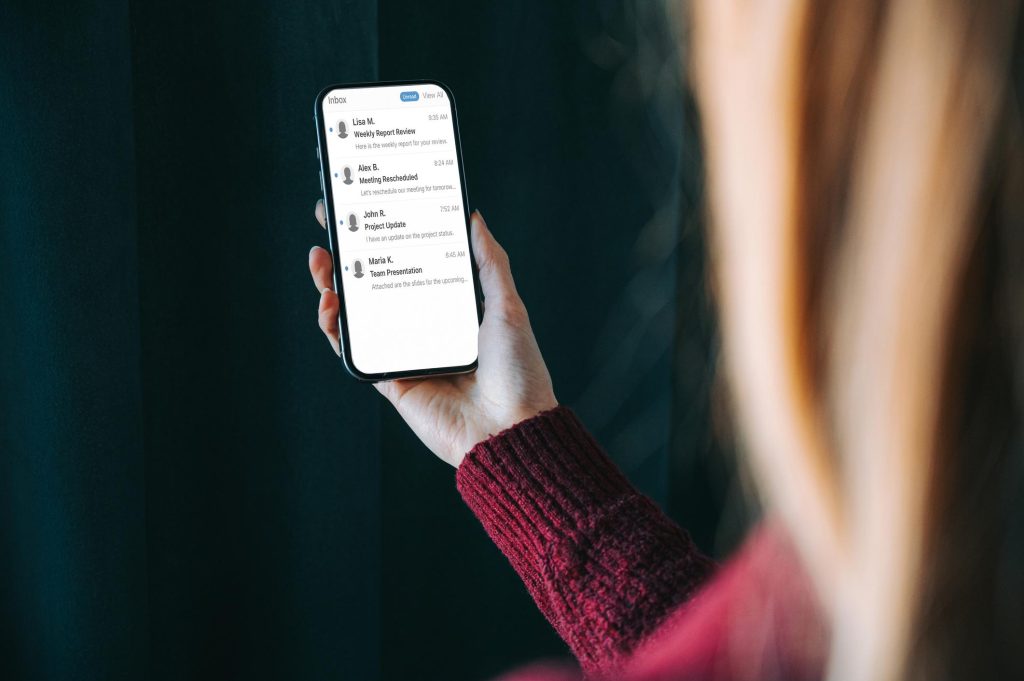
Some customers received emails from TELUS warning them about the potential exposure of their personal information. They contacted customer service to verify whether the messages were legitimate.
According to customer accounts reported by the media, some representatives incorrectly identified the emails as fraudulent. They also advised customers to delete the messages.
However, the emails were genuine security notifications from TELUS.
The messages included a personal code. Affected customers could use this code to claim two years of identity theft protection.
TELUS attributed the confusion to a technical issue. The company says the problem has since been resolved.
Nevertheless, the situation raises an important question for consumers. How can customers identify legitimate security alerts when information from their service provider is contradictory?
What Has TELUS Done in Response?
Following the incident, TELUS says it blocked unauthorized access to the affected accounts. The company also disabled compromised credentials and strengthened its account monitoring.
In addition, TELUS reported the incident to the Vancouver Police Department.
Affected customers are being offered two years of TELUS Guardian identity theft protection through Norton.
This service is designed to help detect certain types of fraudulent activity involving personal information.
However, identity theft protection does not replace regular account monitoring. Customers should continue checking their accounts and remain cautious about suspicious communications.
Are You a TELUS Customer? Here Is How to Protect Yourself
Even if you have not received a security notification, a few simple precautions can help protect your account and personal information.
- Check your My TELUS account: review your latest bills. Look for unexpected plan changes, additional services, or unusual charges.
- Protect your login credentials: use a unique password. In addition, enable two-factor authentication whenever it is available.
- Be cautious about unexpected calls: someone who knows your name or mobile plan is not necessarily a legitimate TELUS representative.
- Verify suspicious messages: contact TELUS directly to confirm whether a security notification is genuine. Avoid clicking links in questionable emails.
- Monitor changes to your services: contact your provider immediately if your mobile line suddenly stops working. You should also report any unauthorized account changes.
For assistance, TELUS customers can dial *611 from their TELUS mobile phone. They can also contact customer service at 1-866-558-2273.

What Customers Should Remember
The TELUS security incident highlights two separate concerns. The first involves protecting customers’ personal information.
The second concerns the reliability of communications when a service provider experiences a security incident.
Indeed, personal information obtained without authorization can make fraudulent messages and calls more convincing.
In summary, monitor your account regularly and verify any unusual communications directly with your provider. Finally, never share your password or security codes with someone who contacts you unexpectedly.