
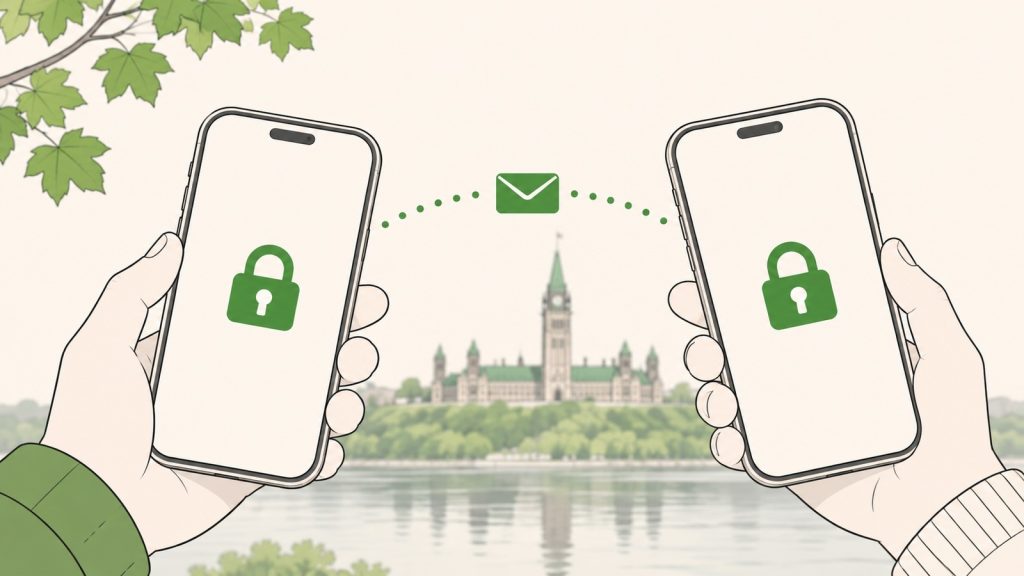


An encrypted message can keep a conversation private while still leaving a record of when a device connected. That distinction explains why two votes on Canada’s lawful access bill, C-22, produced different results for privacy.
On November 24, the Senate national security committee amended the bill’s definition of a systemic vulnerability to cover risks created by removing, bypassing or weakening electronic protections, including encryption. Senators also added tests of necessity and proportionality. These are changes to a bill under parliamentary review.
Senator Colin Deacon proposed limiting mandatory retention to metadata a provider already collects. The committee rejected his amendment. For a mobile subscriber, cell tower records illustrate what is at stake: they can help reconstruct where a device travelled without revealing a single word its owner wrote. Which records providers could be required to keep remains a separate issue from who can read a message. Source