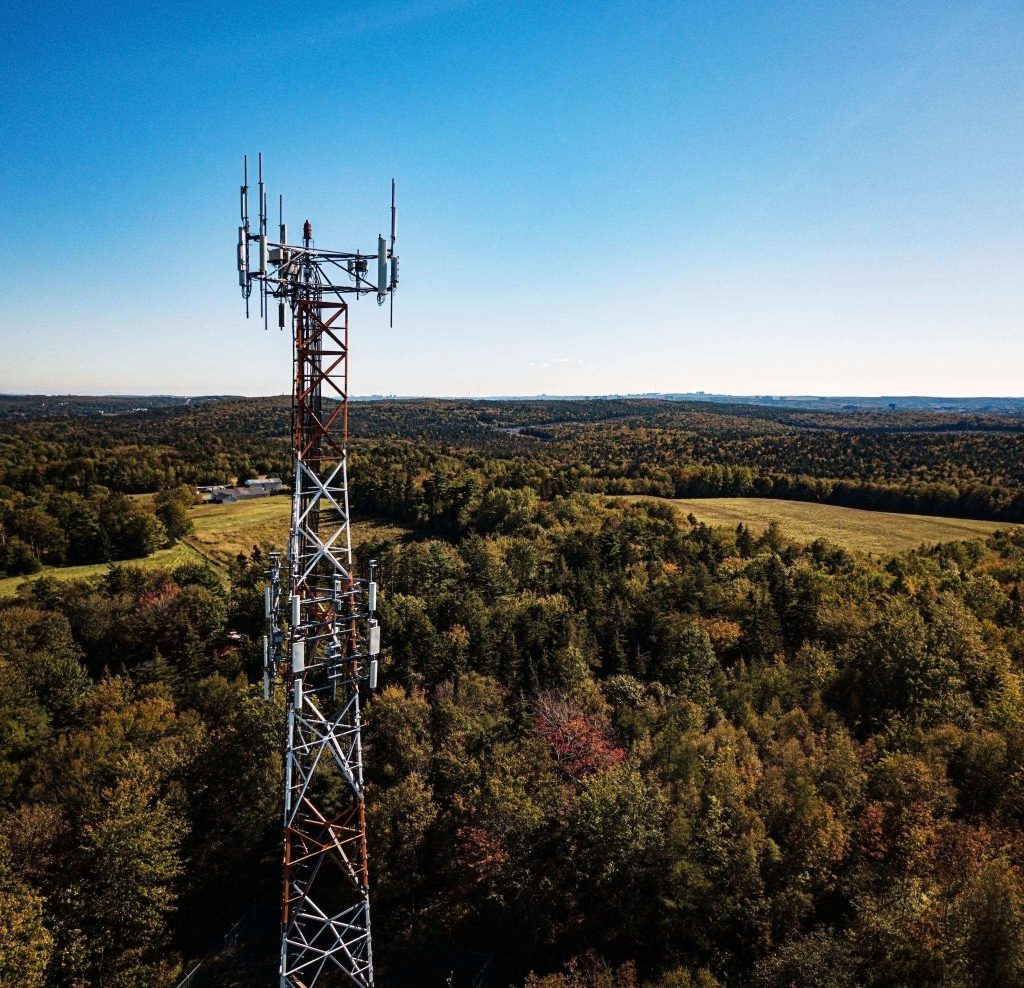



Building a new cellphone tower could soon become considerably easier. Ottawa is proposing shorter approval timelines, simpler consultation requirements and fewer administrative obstacles to expanding mobile networks.
At the same time, the federal government is tightening the rules surrounding mandatory roaming and infrastructure sharing between wireless carriers.
The goal is to support better coverage, particularly in areas where reliable mobile service remains difficult to access.
A 45-day window for local authorities
Installing a new cell tower currently involves consultations with local authorities and, in many cases, nearby residents.
Innovation, Science and Economic Development Canada (ISED) wants to modernize the process through a centralized online portal.
Residents would be able to review proposed tower installations in their area and raise relevant concerns. A 30-day public comment period is proposed.
Once the public consultation process is completed and relevant concerns have been addressed, local authorities would generally have 45 calendar days to approve or formally challenge a project.
If they fail to respond or initiate the required dispute process within that window, the tower could be considered approved.
The proposed system aims to reduce administrative delays while maintaining a channel for legitimate local concerns.
Smaller towers could bypass some consultations
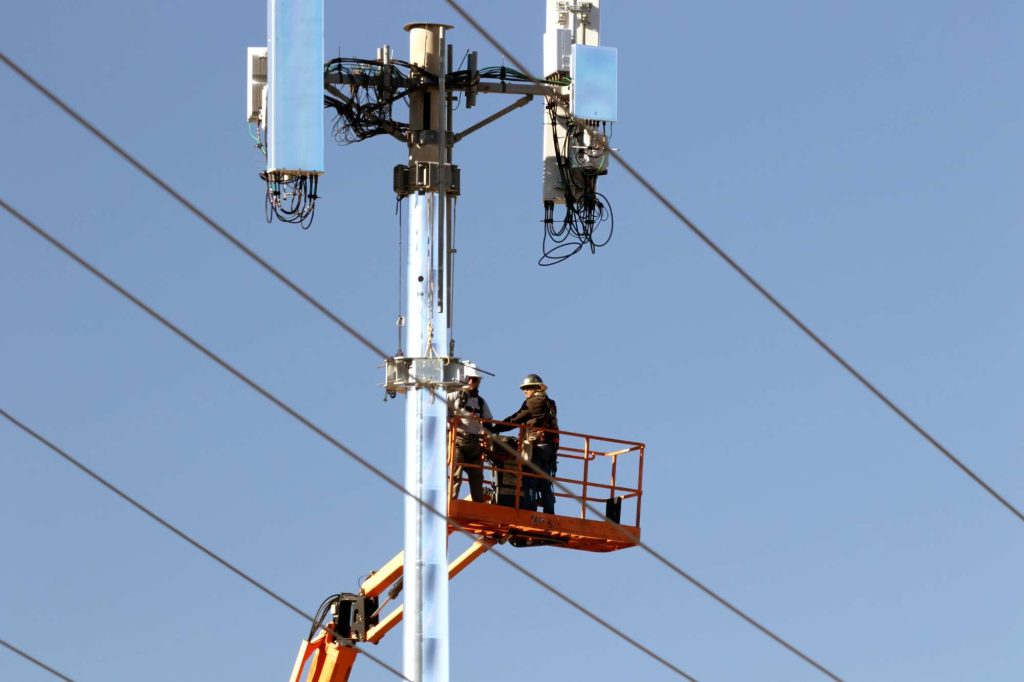
Another proposed change would make it easier for wireless carriers to install antenna systems shorter than 15 metres.
Certain installations already qualify for an exemption from municipal and public consultation requirements, but telecommunications operators cannot currently use that exemption in the same way.
Extending it could make smaller wireless installations easier to deploy, supporting network expansion and 5G densification.
General technical and safety requirements, including radiofrequency exposure limits, would still apply.
Roaming and tower sharing rules are getting tougher
Beyond the tower approval proposals, ISED has also announced decisions affecting mandatory roaming and infrastructure sharing.
Roaming allows one carrier’s subscribers to access another operator’s network under applicable arrangements. Tower sharing allows multiple carriers to place equipment on the same infrastructure.
Previously, these obligations included language allowing carriers to raise questions about technical feasibility.
ISED has decided to remove that wording, arguing that modern devices can generally access different Canadian networks.
Technical disagreements will instead be handled through negotiations and arbitration.
Carriers will also be required to respond to eligible roaming or tower-sharing requests within 30 days.
However, this does not mean every cellphone will automatically connect to every available network. Roaming agreements and their conditions will still determine how access works.
What does this mean for consumers?
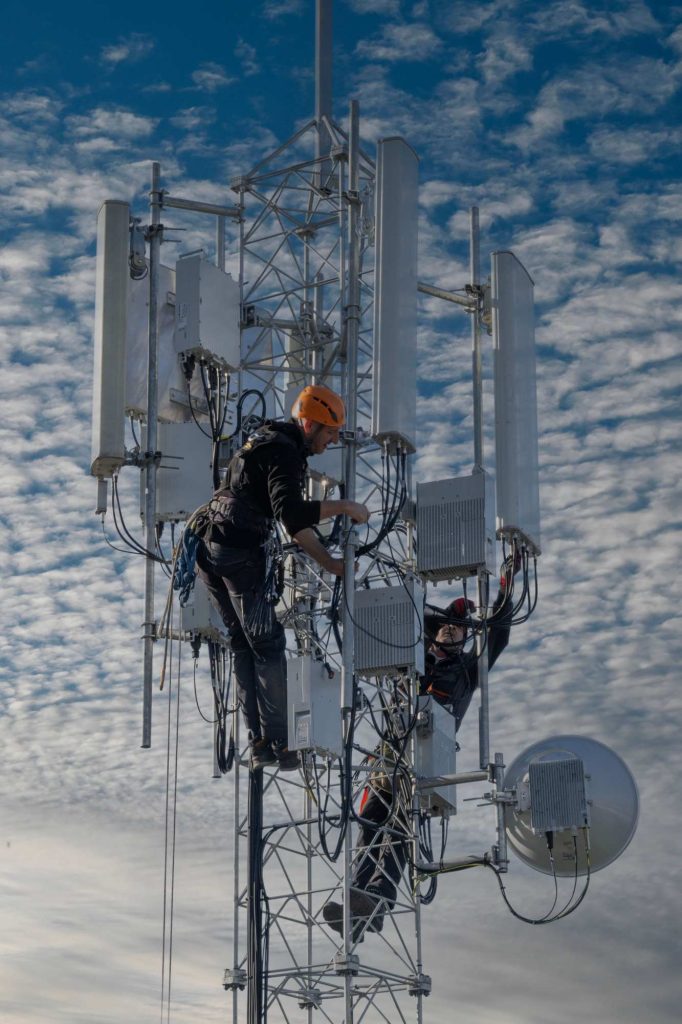
Easier tower deployment could help extend service into underserved communities and improve network capacity in areas experiencing growing demand.
Smaller regional providers could also benefit from easier infrastructure sharing, allowing them to expand their reach without constructing an entirely separate network.
Over time, these changes could support stronger competition and more coverage options.
However, the proposed changes to tower approvals have not yet been finalized, and their impact will depend on how the new rules are implemented.
Source
Innovation, Science and Economic Development Canada, Consultation DGSO-001-26