
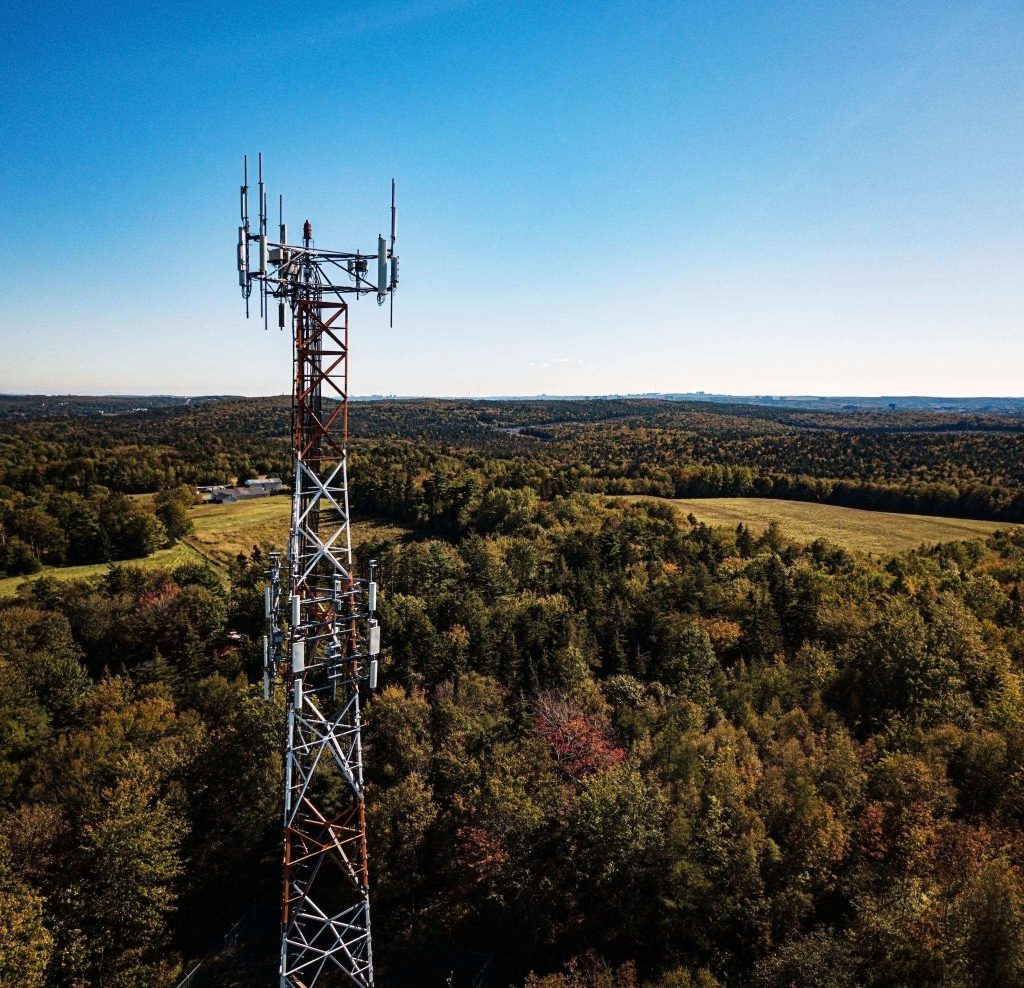


Your mobile provider says your area is covered, but your phone keeps losing signal? Canadians will soon have a better way to flag that problem. The CRTC has adopted new rules designed to make cellphone coverage maps more accurate and better reflect real-world conditions.
Why coverage maps don’t always match reality
Today, mobile providers largely rely on computer models to estimate network coverage. Those predictions don’t always reflect what customers experience.
Buildings, terrain, vegetation and network conditions can all affect reception.
As a result, an area may appear fully covered on a map even when calls drop or mobile data barely works.
What’s changing in 2027?
The CRTC is introducing a common standard for reporting outdoor mobile coverage. It will gradually distinguish three service levels, from signals theoretically capable of supporting emergency calls to stronger signals that can support better voice and data services.
Providers must begin reporting under the first level in early 2027, with the additional levels introduced in later reporting cycles.
Canadians will also be able to challenge inaccurate coverage information through a future version of the National Broadband Map. These reports can then be reviewed with the providers concerned.
The new reporting feature is not available yet, and no specific public launch date has been confirmed.
How to check your mobile coverage today
You don’t need to wait for the new system to explore your options.
With PlanHub’s mobile coverage map, you can explore cellular infrastructure near your home, workplace or regular travel routes.
PlanHub’s interactive map lets Canadians view cell tower locations from major wireless providers, including Bell, Rogers, TELUS and Videotron. It provides a useful overview of network infrastructure across different regions of the country.
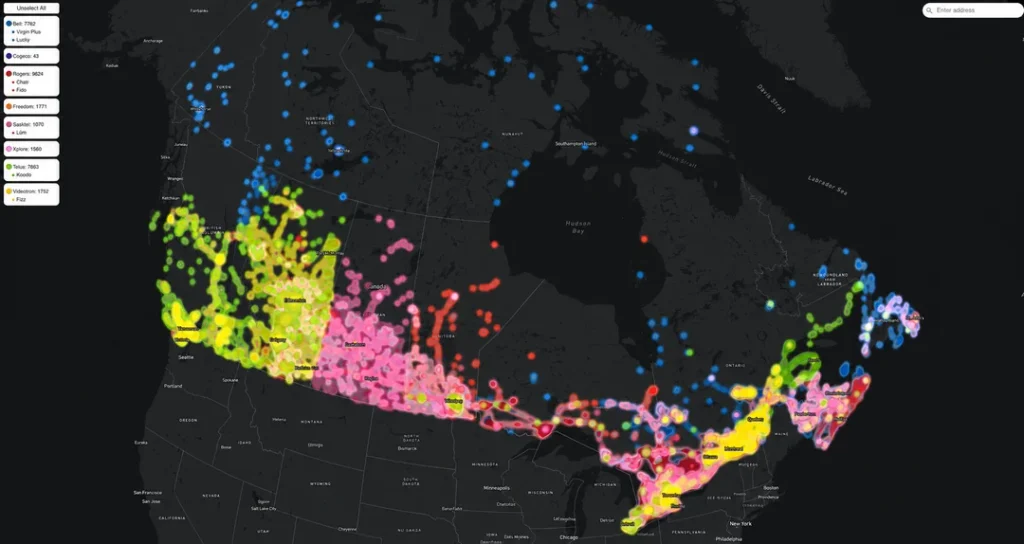
Keep in mind that a nearby tower doesn’t guarantee a strong connection. If you regularly encounter dead zones, record the affected locations and compare available networks before switching providers.
The bottom line
The new CRTC rules won’t eliminate dead zones overnight. However, more reliable information could help identify underserved areas and guide future network investments.
Before choosing your next plan, check the network coverage and compare mobile plans on PlanHub.
A cheaper plan isn’t necessarily a better deal if the signal doesn’t reach the places where you need it most.