



Fibre prices in Canada are becoming a major concern. Demand is rising quickly, while wholesale costs are making it harder for independent internet providers to compete.
Fibre is becoming Canada’s new internet standard
About 72% of Canadian households can now access a fibre network, according to the CRTC’s 2026 Canadian Telecommunications Market Report. This coverage is a major achievement for such a large country. First, fibre delivers faster speeds and more stable connections. It also supports 4K streaming, remote work, cloud services and online gaming. As a result, fibre is gradually becoming the standard for home internet in Canada.
Data consumption keeps growing
This expansion reflects the steady growth of internet usage. Since 2020, residential data consumption has increased by more than 10% each year. Indeed, households now connect more devices to the same network. Faster plans also encourage people to adopt more demanding digital services. Therefore, telecom companies must continually expand the capacity of their networks.
Data centres are consuming more fibre
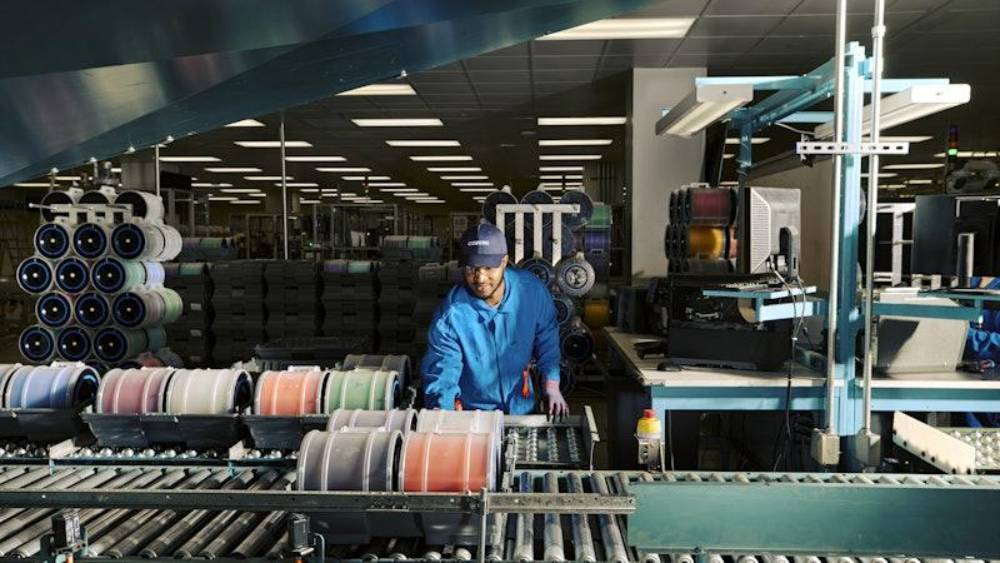
Meanwhile, data centres are creating another source of demand. Thousands of servers must exchange enormous amounts of information almost instantly. In January 2026, Meta announced an agreement with Corning worth up to US$6 billion. The deal mainly supports Meta’s American data-centre infrastructure. However, it illustrates the scale of demand created by cloud computing and artificial intelligence. Fibre has therefore become a strategic resource far beyond residential internet.
Fibre investments are growing across Canada
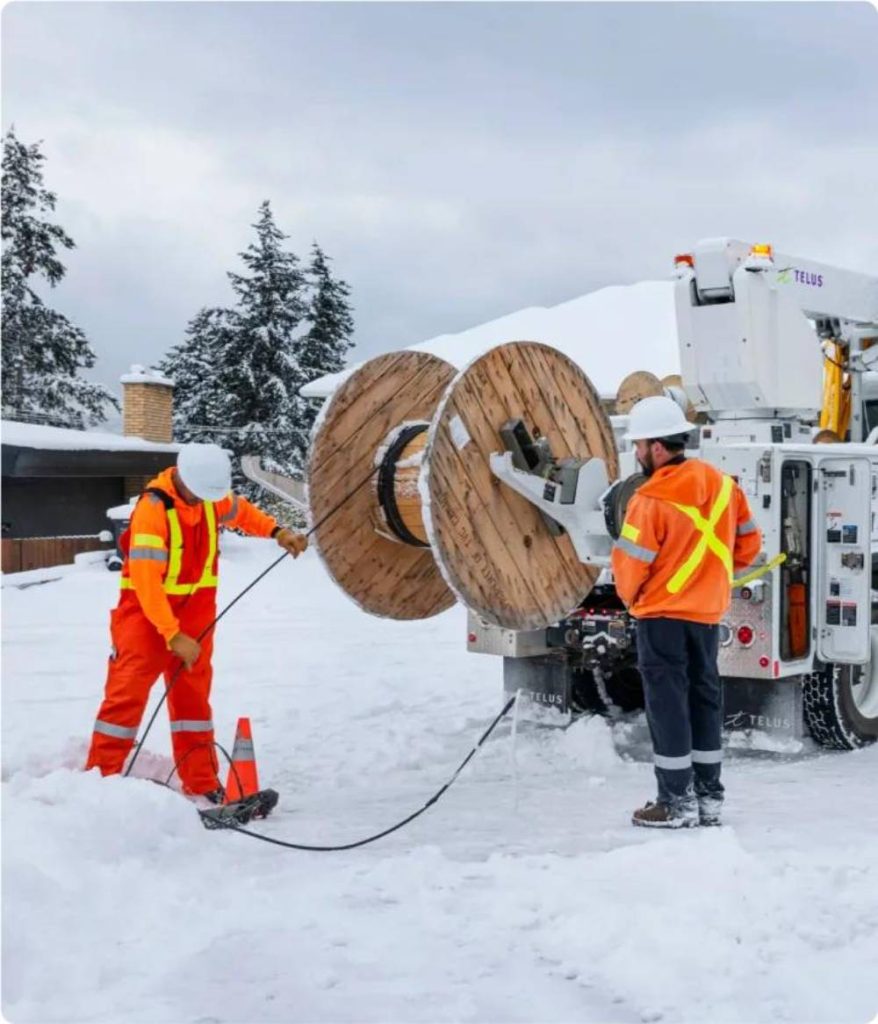
Building these networks remains expensive. Operators need cables, equipment, technicians and many kilometres of new infrastructure. In British Columbia, the Canada Infrastructure Bank and its partners committed $379 million to broadband expansion. As part of the agreement, TELUS will receive a $49.3-million loan. The project should connect more than 17,000 underserved rural households. In addition, approximately 380 Indigenous households are expected to benefit. Nevertheless, the remaining communities are often the most difficult and costly to reach.
Why fibre prices in Canada are difficult to compare
Fibre prices in Canada do not follow a single trend. According to the CRTC, internet prices remained relatively stable until late 2025. However, plans offering the fastest speeds became more expensive. By contrast, prices for 50 Mbps services remained mostly unchanged. Canadian household spending on internet services also increased by 87% between 2015 and 2023. This growth partly reflects the adoption of faster plans. Moreover, temporary discounts and bundled offers make the real monthly cost difficult to compare.
Wholesale rates are squeezing independent providers
Independent internet service providers often rent access to networks owned by larger companies. On April 24, 2026, the CRTC established final wholesale rates for fibre-to-the-premises services. In Ontario and Quebec, Bell Canada’s monthly access rate starts at $68.26. It reaches $77.20 for speeds above 1.5 Gbps. Capacity charges and other operating expenses must also be considered. These amounts are not consumer prices, but they directly influence what competitors can offer. Meanwhile, the CRTC reports that wholesale-based independent providers continue to lose subscribers and revenue.

The CRTC faces its next major test
On July 23, a coalition led by TekSavvy asked the CRTC to review the new rates. The coalition argues that some wholesale rates exceed prices offered directly by large carriers. It also wants the standard regulatory markup reduced from 30% to 15%. However, the CRTC believes its cost-based approach supports network maintenance and future investment. The regulator has promised to monitor new offers, subscriptions and network expansion. Ultimately, the debate over fibre prices in Canada will shape both consumer choice and the future of internet competition.
Consumers can also use PlanHub’s Internet Score to examine local technology, average prices and provider competition.