
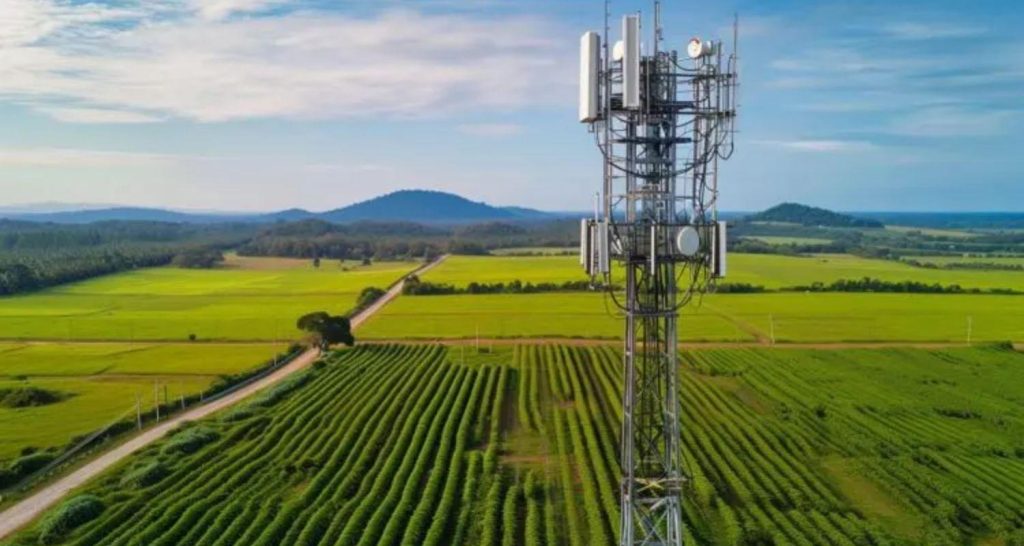


Hundreds of millions of dollars are being invested in Canada’s telecommunications networks. From Alberta to Newfoundland and Labrador, several projects aim to improve Internet access and mobile coverage. However, deployment timelines vary considerably across the country. Here is a closer look at the major projects announced in 2026 and what they mean for Canadian consumers.
Ontario: A $300 Million Project to Eliminate Rural Mobile Coverage Gaps
In Eastern Ontario, the EORN Cell Gap Project has reached a major milestone. On August 20, 2026, the Eastern Ontario Regional Network and Rogers announced its completion.
This public-private partnership represents a $300 million investment. Its goal is to improve cellular coverage in rural communities across Eastern Ontario.
In total, the project involved building 346 new telecommunications sites and upgrading 311 existing sites.
The federal and provincial governments each contributed $71 million. Participating municipalities provided an additional $10 million. Rogers also contributed to the financing and deployment of the network.
According to EORN, the project has achieved its coverage targets. These improvements were designed to provide better voice service along major roads and throughout rural communities.
For residents, the main benefit is improved access to mobile calls and data services in areas that previously had limited coverage.
However, infrastructure development and service availability are not necessarily the same. New cellular sites do not automatically guarantee identical coverage for customers of every mobile provider.
Ottawa Invests Another $8.3 Million in Ontario Fibre Projects
The federal government announced more than $8.3 million in additional funding in August 2026. The investment covers two projects designed to serve up to 822 Ontario households.
The largest project is being delivered by Broadband North. It will receive $7.32 million to connect up to 621 households in the Beausoleil First Nation on Christian Island.
The fibre deployment is expected to be completed by December 2026.
However, the 822 households announced are not all awaiting new connections. The second project, delivered by Avetria Networks, involved 201 households. It was already completed in October 2023.
This distinction is important when evaluating the actual results of public infrastructure investments.
Alberta: More Than $373 Million to Connect Rural Communities
In Alberta, the federal and provincial governments announced nearly $225 million in public funding in January 2026.
The program aims to improve Internet access in rural, remote and Indigenous communities.
According to updated provincial figures, the program now includes 27 projects. These projects are expected to serve 83,643 households across more than 700 communities.
Including contributions from Internet service providers, the total investment reaches approximately $373.6 million.
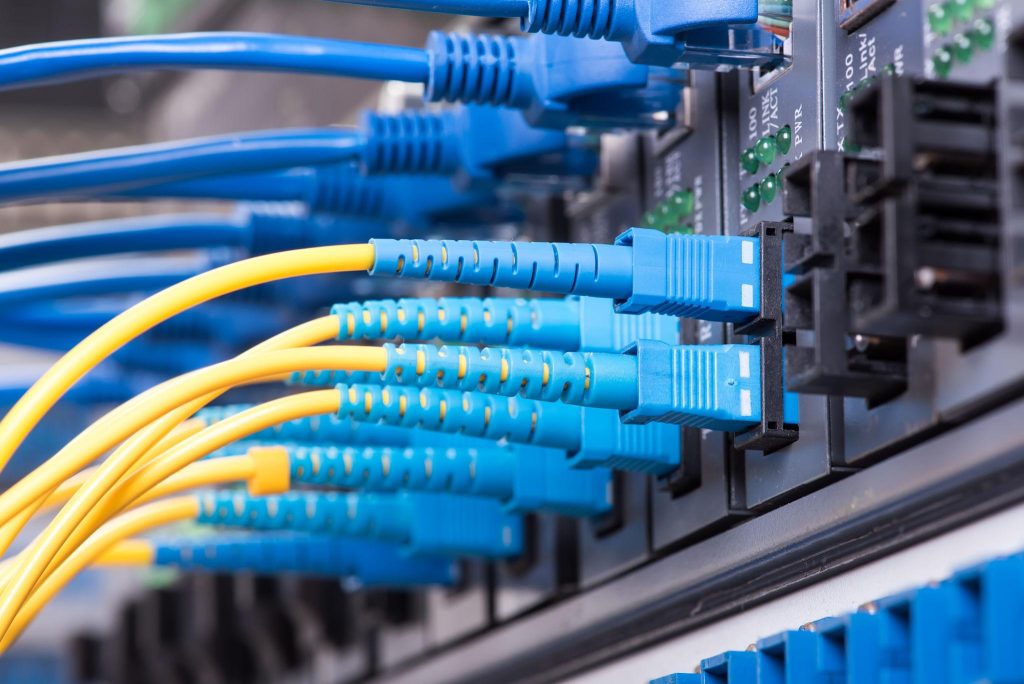
The projects combine fibre-optic infrastructure and fixed wireless Internet. Fixed wireless technology connects buildings through terrestrial antennas instead of requiring fibre to reach every individual home.
Among the participating companies, Xplore is receiving significant funding to expand its fixed wireless services. Other regional providers are also contributing to the deployment.
According to the provincial timeline, services are expected to become available gradually between December 2026 and March 2027.
Alberta Announces an Additional $24.8 Million for Rural Internet
On September 15, 2026, the federal and provincial governments announced two additional projects. Together, they represent $24.8 million in new public funding.
These investments aim to connect up to 1,833 households across nine rural and remote communities.
Canadian Fiber Optics will receive approximately $3 million to expand fibre infrastructure in five communities. The project is expected to serve up to 734 households.
Meanwhile, Bearspaw First Nation will receive approximately $21.9 million for a project combining fibre and fixed wireless Internet. This initiative is expected to serve up to 1,099 households in four communities.
Both projects are scheduled for completion by March 2028.
Therefore, despite the investments already announced, some Alberta households will still have to wait several years before benefiting from the new infrastructure.
Newfoundland and Labrador: First Customers Connected Through a $181 Million Fibre Project
In Newfoundland and Labrador, a major fibre deployment has reached an important milestone.
On September 15, 2026, Xplore announced that it had connected its first subscribers to its new fibre-optic network in the province.
The project represents a total investment of $181 million. This includes $92 million in funding from the federal and provincial governments.
Once completed, the new network is expected to serve 27,785 homes and businesses. Most are located in rural and underserved communities.
Unlike projects that remain in the funding or planning stages, the first connections are already operational.
However, deployment will continue gradually. Residents in other communities will need to wait until the network becomes available in their area.
Rogers and Bell Continue Investing in 5G Coverage
Infrastructure investments are not limited to residential Internet. Mobile providers are also expanding and upgrading their networks across the country.
Rogers Expands 5G Coverage in Matane-sur-Mer
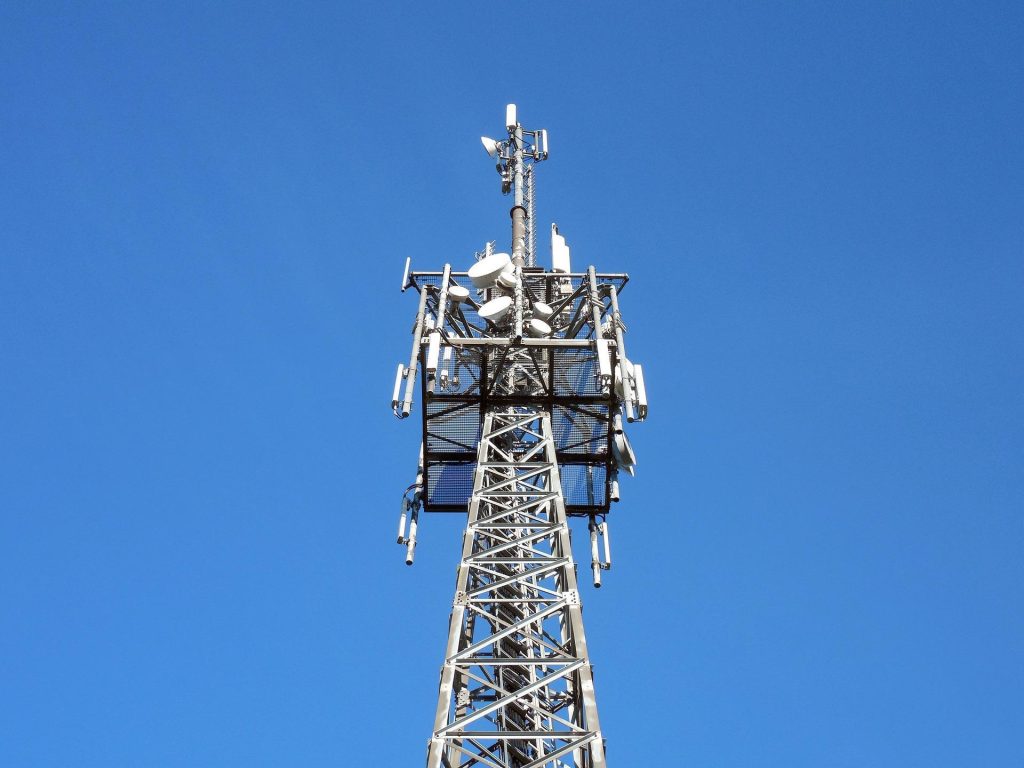
In Quebec, Rogers announced the activation of a new 5G tower in Matane-sur-Mer in August 2026.
The infrastructure improves mobile coverage in western Matane. It also serves the Port of Matane and the city’s industrial park.
As a result, local businesses, workers and residents can benefit from improved connectivity in the area.
However, Rogers has not published detailed information about expected speeds or the precise boundaries of the new coverage area.
Bell Increases Wireless Network Capacity in Toronto
In Toronto, Bell activated a new wireless site in the Roncesvalles Village neighbourhood in September 2026.
The goal is to increase network capacity and reduce congestion during periods of heavy usage.
According to its May 2026 update, Bell had built 167 new sites and upgraded 349 existing locations across Canada since launching its expansion program in 2024.
These investments address two different needs. In rural areas, new towers can improve coverage. In urban neighbourhoods, they primarily help distribute mobile traffic across available infrastructure.
For subscribers, this can result in a more stable connection during video calls, streaming and other activities that rely on mobile data.
Quebecor Expands Its Mobile Business Through Freedom, Videotron and Fizz
Quebecor continues to expand its presence in Canada’s telecommunications market.
During the second quarter of 2026, the company recorded a net increase of 53,200 mobile lines. This growth brought its customer base to approximately 4.48 million mobile connections.
Over the previous 12 months, Quebecor added 269,700 mobile lines, representing growth of 6.4%.
The company is continuing to expand Freedom Mobile in Western Canada. Meanwhile, Fizz is growing its national presence, and Videotron continues to improve its services in Quebec and Ontario.
Unlike the infrastructure projects discussed earlier, these figures measure Quebecor’s commercial growth. They do not represent a specific investment amount in new telecommunications infrastructure.
Nevertheless, this expansion is accompanied by ongoing efforts to improve network coverage and the services available to subscribers.

Satellites and Artificial Intelligence Offer Another Solution for Remote Areas
Building cellular towers and deploying fibre are not the only ways to improve connectivity across Canada.
In September 2026, Canadian companies Terrestar Solutions and M2M Tech announced a technology partnership.
Their goal is to combine cellular networks, satellite communications and edge artificial intelligence.
This technology allows connected devices to switch from a cellular network to a satellite connection when terrestrial coverage becomes insufficient.
Additionally, data can be analyzed directly at the source. Only the necessary information needs to be transmitted over long distances.
A pilot project is already underway at Twinberry Farms in British Columbia. It focuses on analyzing data related to blueberry cultivation and harvesting.
This approach could also support operations in the mining, forestry, agricultural and energy sectors.
However, the solution is primarily designed for connected equipment and industrial applications. It does not mean that every smartphone can now maintain a permanent satellite connection.
When Will Canadians Actually Benefit From These Investments?
These projects show that Canada is gradually improving its telecommunications infrastructure. However, deployment schedules vary depending on the region and the technologies involved.
In Eastern Ontario, the EORN Cell Gap Project is officially complete. In Newfoundland and Labrador, the first customers are already using the new fibre-optic network.
Meanwhile, several Alberta projects are expected to become operational between late 2026 and 2028. Additional investments are also being announced for rural and remote communities.
For consumers, however, the amount of money invested is only part of the equation. Actual service availability, reliability and affordability remain essential.
A new cellular tower or nearby fibre network does not necessarily guarantee that a provider can immediately serve every address.
Telecommunications investments are increasing across Canada, but their real impact will depend on when the infrastructure becomes operational. Meaningful progress will be measured by access to reliable, fast and affordable connectivity, regardless of where they live.