

If you want to make your next smartphone purchase more environmentally friendly, buying refurbished may be one of the easiest changes you can make.
The reason is surprisingly simple: most of a smartphone’s environmental footprint is created before you even turn it on.
Mining materials, manufacturing chips and batteries, producing displays, assembling the device and transporting it around the world all happen before the phone reaches its first owner.
That means extending the life of a smartphone that already exists can avoid a significant part of the environmental cost associated with producing another one.
And Canadians appear increasingly comfortable doing exactly that.
A 2026 Canadian study found that 63% of Canadians purchased refurbished, open-box or traded-in technology during the previous year. For refurbished products specifically, wireless devices were the most popular category.
At the same time, new research from the mobile industry shows just how much environmental impact can potentially be avoided by keeping smartphones in circulation longer.
Want to see what refurbished options are available right now? Compare certified refurbished phones from multiple brands and retailers on PlanHub.
Are refurbished phones better for the environment?
In most cases, yes.
According to the GSMA, materials and manufacturing typically account for around 70% to 90% of the total lifecycle emissions of a smartphone.
That is important because buying refurbished doesn’t require manufacturing an entirely new device.
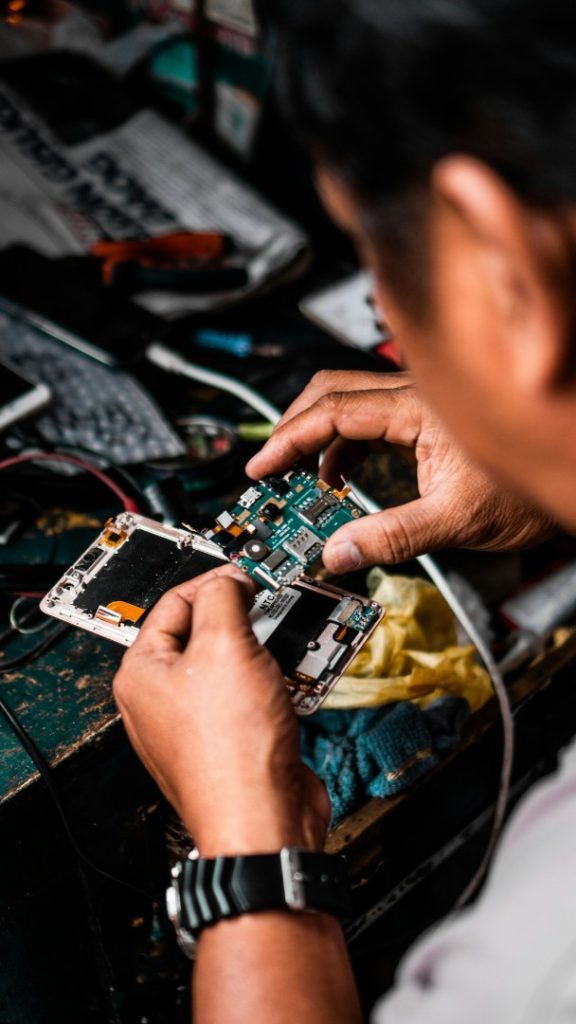
A refurbished phone has already gone through the most resource-intensive stage of its life. Instead, the existing device is inspected, tested, cleaned and repaired when necessary before being sold to another owner.
The GSMA estimates that the environmental footprint of refurbishing a phone is approximately 90% lower than manufacturing a new one.
Across the complete lifecycle, repaired and refurbished phones typically generate around 80% to 90% fewer carbon emissions than new smartphones.
For someone looking for a more sustainable smartphone, that makes refurbishment a particularly powerful option.
Why manufacturing a new smartphone has such a large footprint
A smartphone may fit in your pocket, but its supply chain stretches around the planet.
Modern phones contain lithium, cobalt, copper, gold, aluminum, rare-earth elements and dozens of other materials.
Those materials must be extracted and processed. Semiconductor factories manufacture processors and memory. Separate facilities produce displays, cameras and batteries. Components are transported to assembly plants before completed devices are shipped to retailers and customers.
Each stage requires energy and resources.
This explains why improving the energy efficiency of a new smartphone during everyday use does not necessarily compensate for the environmental cost of manufacturing it.
In many cases, keeping an existing device in service longer can make a bigger difference than replacing it with a slightly more efficient new model.
63% of Canadians are already buying recirculated technology
The shift is not theoretical.
Best Buy Canada’s 2026 Back-to-School Tech Shopping Report, based on a survey of 1,500 Canadian adults through the Angus Reid Forum, found that 63% had purchased refurbished, open-box or traded-in technology during the previous year.
The figure combines three categories and should therefore not be interpreted as meaning that 63% of Canadians specifically purchased refurbished products.
But it does show how quickly second-life technology is moving into the mainstream.
The trend is particularly strong among younger Canadians:
- 71% of Gen Z purchased some form of recirculated technology
- 65% of millennials
- 65% of Gen X
- 55% of boomers
Price remains the biggest motivation.
But environmental concerns are becoming part of the equation too. The study found that 44% of Gen Z and 40% of millennials identified reducing environmental impact as a reason to consider recirculated technology.
For refurbished purchases specifically, wireless devices were the most popular product category.
In other words, smartphones are already at the centre of Canada’s growing refurbished economy.
Refurbished phones help reduce electronic waste
Carbon emissions are only one part of the problem.
Smartphones eventually become electronic waste, or e-waste, containing valuable materials that required significant energy and resources to extract in the first place.
Extending the life of a phone keeps those materials in use longer.
The Government of Canada specifically encourages reuse, repair and refurbishment as ways to conserve the value of electronic products, reduce lifecycle energy consumption and decrease electronic waste.
A phone passed from one owner to another can therefore provide years of additional use before recycling becomes necessary.
Think of it as getting more mileage from resources that have already been extracted.
Keeping your current phone longer is even better
Buying refurbished can reduce the impact of your next purchase, but there is another environmentally friendly option that is even simpler:
Don’t replace a phone that still works.
According to the GSMA, using a smartphone for five years instead of three can reduce its annual carbon footprint by approximately 30%, even when a battery replacement is included.
That makes durability, repairability and long software support particularly important environmental features.
A smartphone capable of receiving security updates for several years can potentially remain useful through multiple owners.
The most sustainable smartphone upgrade may therefore sometimes be no upgrade at all.
But when replacement becomes necessary, buying refurbished can help continue that same lifecycle.
Refurbished phones can save money too
Compare prices, models and refurbished offers from Apple, Samsung, Google and more.
The environmental argument becomes much easier for consumers when the more sustainable option is also less expensive.
Best Buy Canada’s report found that refurbished electronics typically offered savings of around 40% compared with original retail pricing, while open-box products averaged approximately 28% savings.
That can significantly change what kind of phone fits within a given budget.
Instead of purchasing a new entry-level smartphone, a consumer might be able to purchase a refurbished flagship from a previous generation for a similar price.
That could mean getting a better camera, display, processor or build quality while simultaneously extending the useful life of an existing device.
For Canadians comparing smartphones, refurbished is increasingly becoming less of a compromise and more of a value strategy.
Refurbished doesn’t simply mean used
A refurbished smartphone and a privately sold used phone are not necessarily the same thing.
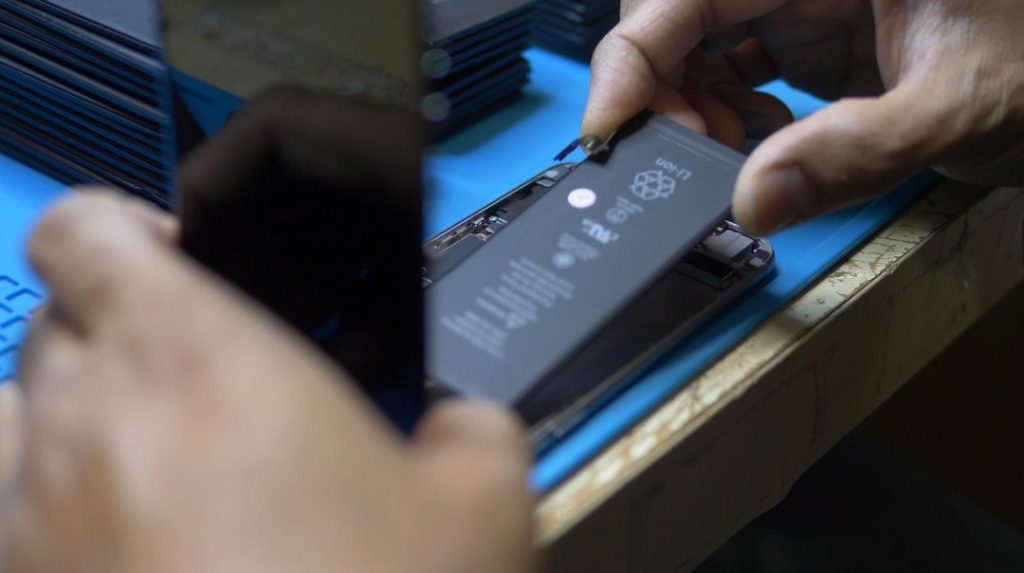
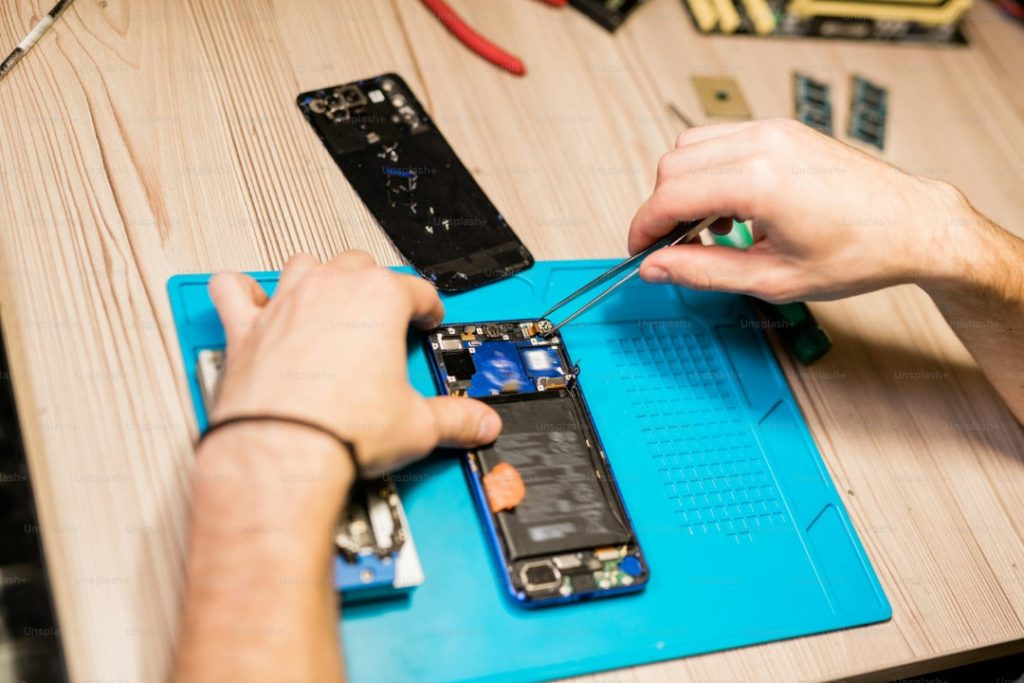
A professionally refurbished device has typically gone through a process that can include:
- hardware diagnostics
- battery testing
- screen and camera testing
- data wiping
- cleaning
- component replacement when necessary
- cosmetic grading
- final quality testing
Depending on the retailer or refurbishment program, the phone may also come with a warranty and return period.
A privately sold used phone may offer none of those protections.
This distinction is important when comparing prices.
The cheapest phone is not necessarily the best deal if it has a degraded battery, hidden damage or very little software support remaining.
What should you check before buying a refurbished phone?
Battery health
Battery condition is one of the most important things to check.
Look for information about minimum battery capacity, battery testing or whether batteries below a certain threshold are replaced.
Remaining software support
A refurbished phone may still physically work perfectly while approaching the end of its software-support period.
Check how many years of security and operating-system updates remain.
Newer Apple iPhones, Samsung Galaxy phones and Google Pixel devices can receive software updates for many years, making recent-generation models particularly attractive on the refurbished market.
Warranty and returns
A reputable refurbished seller should clearly explain its warranty and return policy.
That protection is one of the biggest advantages of buying professionally refurbished instead of from an individual seller.
Cosmetic grade
Terms such as Excellent, Very Good, Good or Fair usually describe cosmetic condition.
Scratches don’t necessarily affect performance, so accepting minor cosmetic imperfections can sometimes produce additional savings.
Price
Always compare the refurbished price with the current new price.
Smartphone prices change quickly, especially when a new generation launches.
A refurbished phone is only a good deal if the price reflects its age, condition and remaining useful life.
Refurbished phones in Canada are becoming a mainstream option
Canada’s smartphone market is changing.
Consumers can increasingly choose between new, open-box, used and professionally refurbished devices instead of automatically purchasing the newest model available.
PlanHub’s smartphone comparison platform now lets Canadians compare new and certified refurbished phones from brands including Apple, Samsung and Google and see offers from multiple Canadian merchants in one place.
That makes it easier to compare price, model, condition and available offers before deciding whether buying new is actually necessary.
The greenest smartphone may be one that already exists
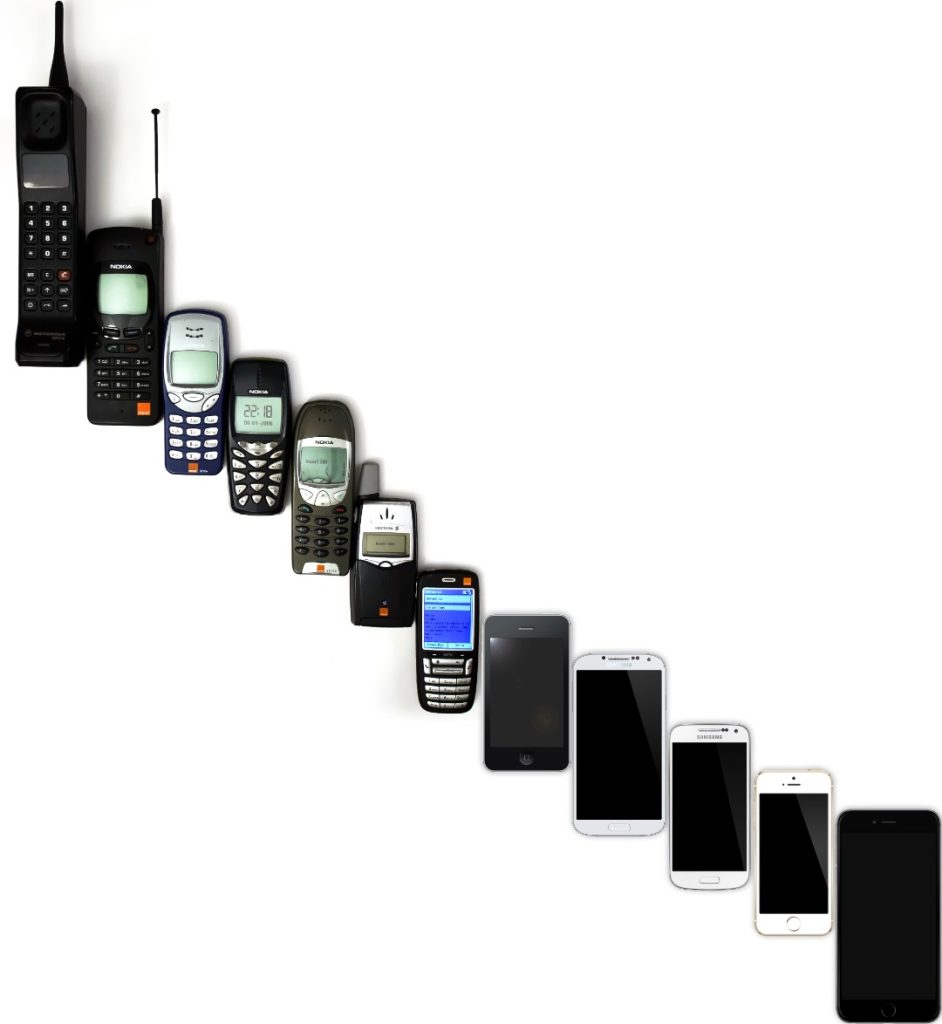
The smartphone industry spends enormous resources developing new devices every year.
But environmentally, the most interesting phone may not be the newest one.
It may be a perfectly capable device that has already been manufactured.
Keeping smartphones in circulation longer means extracting more useful life from the energy and materials already invested in them.
Repairing the phone you already own is a good place to start.
Trading it in instead of leaving it forgotten in a drawer gives it the possibility of another life.
And when you actually need another device, choosing a certified refurbished smartphone can reduce both the price of the upgrade and its environmental impact.
For Canadians looking for a more sustainable smartphone without giving up modern performance. Ready to make your next upgrade greener? Compare refurbished phones available in Canada and see how much you could save.
Frequently asked questions about refurbished phones
Are refurbished phones environmentally friendly?
Yes. Refurbished phones extend the useful life of existing hardware and reduce the need to manufacture another device. The GSMA estimates repaired and refurbished smartphones typically have around 80% to 90% lower lifecycle carbon emissions than new phones.
Is buying refurbished better than recycling a phone?
If a device can still be used, reuse or refurbishment generally keeps the product and its materials in circulation longer. Recycling becomes important when a device can no longer reasonably be repaired or reused.
Is keeping my current phone better than buying refurbished?
If your existing phone still works safely and receives security updates, continuing to use it is usually the simplest way to avoid the environmental impact of another device.
Are refurbished phones cheaper in Canada?
They often are. The exact savings depend on the model, age, condition and retailer. Comparing refurbished offers with the current new-device price is essential before purchasing.
Where can I compare refurbished phones in Canada?
PlanHub allows Canadian shoppers to compare new and certified refurbished smartphones, including iPhone, Samsung Galaxy and Google Pixel devices, from multiple merchants.