


$
,00
/mo
/ for 2 years
 Chat with Planhub AI
Need a mobile or internet plan?
Our intelligent assistant helps you find the ideal plan in just a few seconds!
Suggestions for you

The Samsung Galaxy Z Flip is one of the two flip phone smartphones currently available in the market, but the only one with a folding glass screen.
Based on your selection
No offer for the Galaxy Z Flip is available with the selected criteria. Try broadening your criteria, or browse all available offers.
 Best mobile plan
Best option
Best mobile plan
Best option
 Compact phone: A folding phone that folds into half the size of a regular phone makes for a very compact device to carry round.
Solid build quality and good, glass screen: The phone is said to have the best hinge on a folding phone so far. The good quality hinge looks like it might hold up to repeated usage and not let in debris that could hurt the screen or the phone. Also, because the screen is glass it's expected to last longer than the plastic screens of the previous generation Galaxy Fold.
Decent Cameras: The two 12 MP cameras and the 10MP front camera on the Galaxy Z Flip are very good and can take most photos well, but don’t deliver industry leading performance.
Compact phone: A folding phone that folds into half the size of a regular phone makes for a very compact device to carry round.
Solid build quality and good, glass screen: The phone is said to have the best hinge on a folding phone so far. The good quality hinge looks like it might hold up to repeated usage and not let in debris that could hurt the screen or the phone. Also, because the screen is glass it's expected to last longer than the plastic screens of the previous generation Galaxy Fold.
Decent Cameras: The two 12 MP cameras and the 10MP front camera on the Galaxy Z Flip are very good and can take most photos well, but don’t deliver industry leading performance.
 Glass screen is very fragile: Even though the screen is glass, the way Samsung has managed to get the glass to fold is by using extremely thin glass - about the thickness of human hair! This obviously makes the glass very fragile and necessitates having a factory installed plastic screen projector on the screen. And that screen protector - which is not user replaceable - is prone to scratches and dings.
Feels like a first-gen device: There are only two folding phones on the market with this sort of a clamshell fold - The Samsung Galaxy Z Flip and the Moto Razr. Both are first generation phones that are innovative but likely have multiple quality and stability improvements that will come in the next iteration of these devices, much like how the Galaxy Z Fold 2 has improved a lot upon its first-gen predecessor, The Galaxy Fold.
Slippery to hold and handle: Clamshell devices should be easier to hold, but the premium glass backing and smooth outer shell has many reporting that the Galaxy Z Flip feels more slippery to hold and handle than expected.
Expensive: The Z Flip retails for a cool $1819. 99 on Samsung’s own website. That’s a whole lot of money to pay for a first generation phone, even one that is as innovative as the Z Flip!
Glass screen is very fragile: Even though the screen is glass, the way Samsung has managed to get the glass to fold is by using extremely thin glass - about the thickness of human hair! This obviously makes the glass very fragile and necessitates having a factory installed plastic screen projector on the screen. And that screen protector - which is not user replaceable - is prone to scratches and dings.
Feels like a first-gen device: There are only two folding phones on the market with this sort of a clamshell fold - The Samsung Galaxy Z Flip and the Moto Razr. Both are first generation phones that are innovative but likely have multiple quality and stability improvements that will come in the next iteration of these devices, much like how the Galaxy Z Fold 2 has improved a lot upon its first-gen predecessor, The Galaxy Fold.
Slippery to hold and handle: Clamshell devices should be easier to hold, but the premium glass backing and smooth outer shell has many reporting that the Galaxy Z Flip feels more slippery to hold and handle than expected.
Expensive: The Z Flip retails for a cool $1819. 99 on Samsung’s own website. That’s a whole lot of money to pay for a first generation phone, even one that is as innovative as the Z Flip!

Building a new cellphone tower could soon become considerably easier. Ottawa is proposing shorter approval timelines, simpler consultation requirements and fewer administrative obstacles to expanding mobile networks. At the same time, the federal government is tightening the rules surrounding mandatory roaming and infrastructure sharing between wireless carriers. The goal is to support better coverage, particularly […]
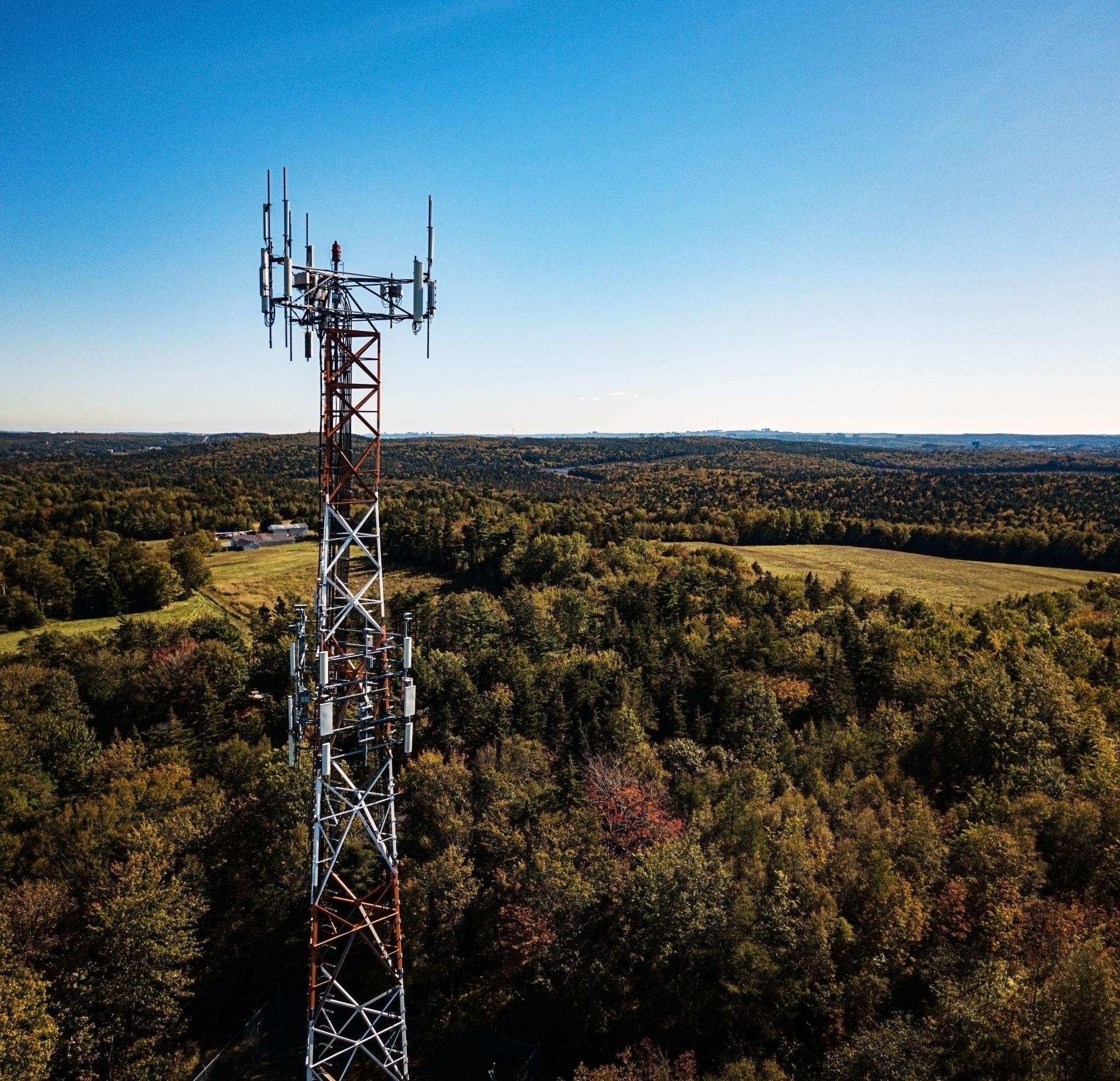
Your mobile provider says your area is covered, but your phone keeps losing signal? Canadians will soon have a better way to flag that problem. The CRTC has adopted new rules designed to make cellphone coverage maps more accurate and better reflect real-world conditions. Why coverage maps don’t always match reality Today, mobile providers largely […]