



$
,00
/mo
/ for 2 years
 Chat with Planhub AI
Need a mobile or internet plan?
Our intelligent assistant helps you find the ideal plan in just a few seconds!
Suggestions for you

A Fan Edition Galaxy with a 6.7-inch 120Hz AMOLED display, Exynos 2500 chipset and a versatile triple camera with 3x optical zoom.
Based on your selection

No offer for the Samsung Galaxy S26 FE is available with the selected criteria. Try broadening your criteria, or browse all available offers.
 Best mobile plan
Best option
Best mobile plan
Best option
 Long software support with 7 years of OS and security updates
Versatile triple camera with 3x optical zoom telephoto
Bright 6.7-inch 120Hz AMOLED display reaching up to 1,900 nits
Long software support with 7 years of OS and security updates
Versatile triple camera with 3x optical zoom telephoto
Bright 6.7-inch 120Hz AMOLED display reaching up to 1,900 nits
 Exynos 2500 chipset sits below Samsung's own flagship-tier processors
Charging capped at 45W wired
No 3.5mm headphone jack
Exynos 2500 chipset sits below Samsung's own flagship-tier processors
Charging capped at 45W wired
No 3.5mm headphone jack

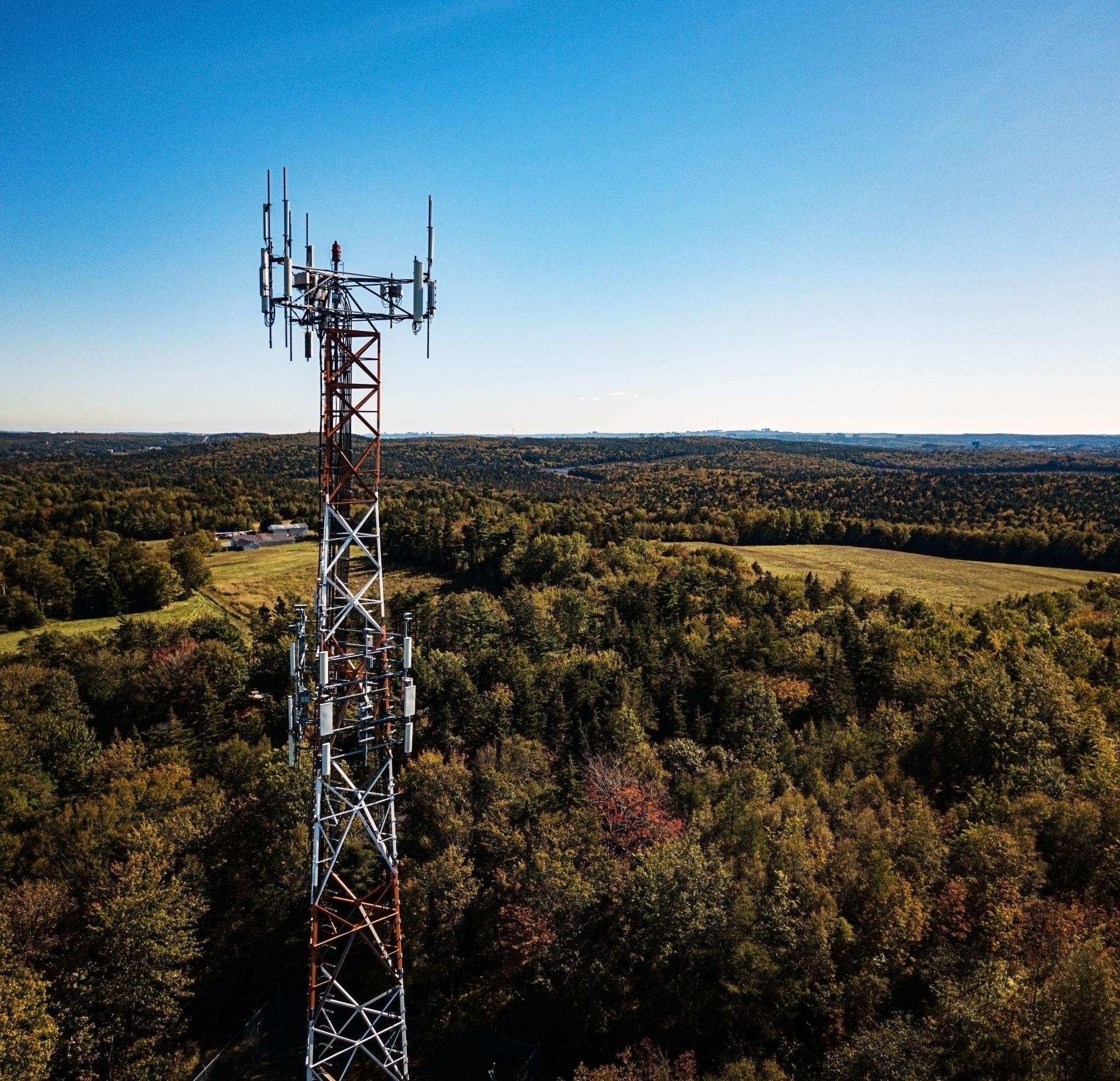
Building a new cellphone tower could soon become considerably easier. Ottawa is proposing shorter approval timelines, simpler consultation requirements and fewer administrative obstacles to expanding mobile networks. At the same time, the federal government is tightening the rules surrounding mandatory roaming and infrastructure sharing between wireless carriers. The goal is to support better coverage, particularly […]
Your mobile provider says your area is covered, but your phone keeps losing signal? Canadians will soon have a better way to flag that problem. The CRTC has adopted new rules designed to make cellphone coverage maps more accurate and better reflect real-world conditions. Why coverage maps don’t always match reality Today, mobile providers largely […]