



$
,00
/mo
/ for 2 years
 Chat with Planhub AI
Need a mobile or internet plan?
Our intelligent assistant helps you find the ideal plan in just a few seconds!
Suggestions for you
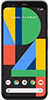
The Google Pixel 4 XL is a premium Android phone built around Google’s camera processing, clean software experience and large high resolution display. It pairs a 6.3 inch OLED screen with a Snapdragon 855 chip, 6 GB of RAM, dual rear cameras, Face Unlock hardware and useful extras such as wireless charging, water resistance, nano SIM plus eSIM support.
Based on your selection

No offer for the Pixel 4 XL is available with the selected criteria. Try broadening your criteria, or browse all available offers.
 Best mobile plan
Best option
Best mobile plan
Best option

Building a new cellphone tower could soon become considerably easier. Ottawa is proposing shorter approval timelines, simpler consultation requirements and fewer administrative obstacles to expanding mobile networks. At the same time, the federal government is tightening the rules surrounding mandatory roaming and infrastructure sharing between wireless carriers. The goal is to support better coverage, particularly […]
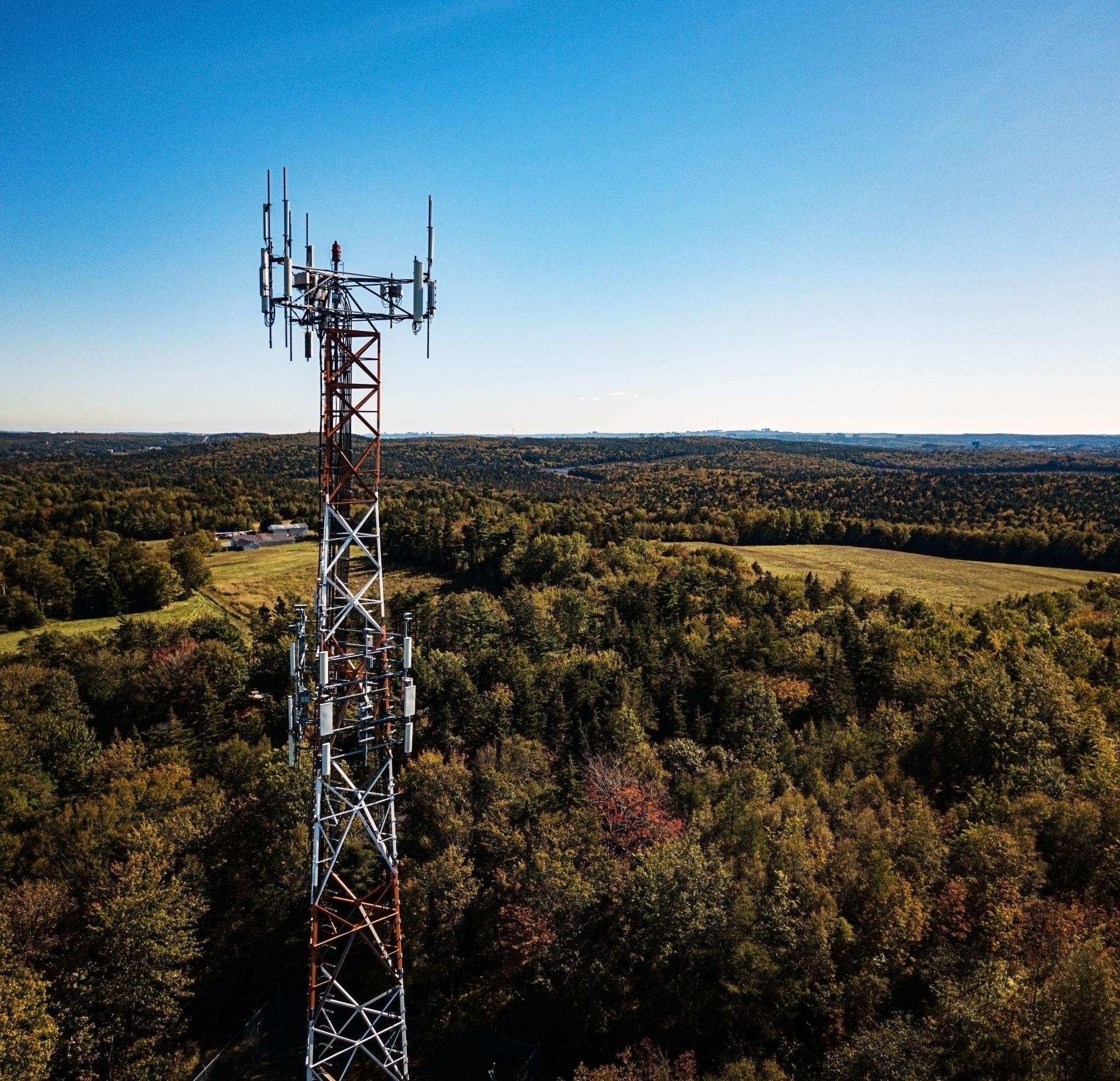
Your mobile provider says your area is covered, but your phone keeps losing signal? Canadians will soon have a better way to flag that problem. The CRTC has adopted new rules designed to make cellphone coverage maps more accurate and better reflect real-world conditions. Why coverage maps don’t always match reality Today, mobile providers largely […]